Cleveland Clinic Research Logo
  • About
  • Science
    • Laboratories
    • Office of Research Development
    • Clinical Research
      Participating in Research
    • Departments
      Biomedical Engineering Cancer Biology Computational Life Sciences Florida Research & Innovation Center Genomic Sciences & Systems Biology Heart, Blood & Kidney Research Immunotherapy & Precision Immuno-Oncology
      Inflammation & Immunity Microbial Sciences in Health Neurosciences Ophthalmic Research Quantitative Health Sciences Translational Hematology & Oncology Research
    • Centers & Programs
      Advanced Musculoskeletal Imaging Angiogenesis Center Cardiovascular Diagnostics & Prevention Consortium for Pain Genitourinary Malignancies Research Genome Center Microbiome & Human Health
      Musculoskeletal Research Northern Ohio Alcohol Center Pathogen & Human Health Research Populations Health Research Quantitative Metabolic Research Therapeutics Discovery
  • Core Services
    • Ohio
      3D Printing Bioimage AnalysisBioRobotics & Mechanical Testing Cell Culture Cleveland Clinic BioRepository Computational Oncology Platform Discovery Lab Electron Microscopy Electronics Engineering
      Flow CytometryGenomic Medicine Institute Biorepository Genomics Glassware Histology Hybridoma Immunohistochemistry Immunomonitoring Lab Instrument Refurbishing & Repair Laboratory Diagnostic
      Lerner Research Institute BioRepository Light MicroscopyMechanical Prototyping Microbial Culturing & Engineering Microbial Sequencing & Analytics Media Preparation Molecular Biotechnology Nitinol Polymer Proteomics & Metabolomics SomaScan & Biomarker Therapeutics Discovery
    • Florida
      Flow Cytometry
      Imaging
  • Education & Training
    • Graduate Programs Molecular Medicine PhD Program Postdoctoral Program
      Global Research Education Research Intensive Summer Experience (RISE) Undergraduate & High School Programs
  • News
  • Careers
    • Faculty Positions Research Associate & Project Staff Postdoctoral Positions Technical & Administrative Engagement
  • Donate
  • Contact
  • About
  • Science
    • Scientific Programs
    • Laboratories
    • Office of Research Development
    • Clinical Research
      Participating in Research
    • Departments
      Biomedical Engineering Cancer Biology Computational Life Sciences Florida Research & Innovation Center Genomic Sciences & Systems BiologyHeart, Blood & Kidney Research Immunotherapy & Precision Immuno-Oncology
      Inflammation & Immunity Microbial Sciences in Health Neurosciences Ophthalmic Research Quantitative Health Sciences Translational Hematology & Oncology Research
    • Centers & Programs
      Advanced Musculoskeletal Imaging Angiogenesis Center Cardiovascular Diagnostics & Prevention Consortium for Pain Genitourinary Malignancies Research Genome Center Microbiome & Human Health
      Musculoskeletal Research Northern Ohio Alcohol Center Pathogen & Human Health Research Populations Health Research Quantitative Metabolic Research Therapeutics Discovery
  • Core Services
    • All Cores
    • Ohio
      3D Printing Bioimage Analysis BioRobotics & Mechanical Testing Cell Culture Cleveland Clinic BioRepository Computational Oncology Platform Discovery Lab Electron Microscopy Electronics Engineering
      Flow CytometryGenomic Medicine Institute BiorepositoryGenomics Glassware Histology Hybridoma Immunohistochemistry Immunomonitoring Lab Instrument Refurbishing & Repair Laboratory Diagnostic
      Lerner Research Institute BioRepository Light MicroscopyMechanical Prototyping Microbial Culturing & Engineering Microbial Sequencing & Analytics Media Preparation Molecular Biotechnology Nitinol Polymer Proteomics SomaScan & Biomarker Therapeutics Discovery
    • Florida
      Flow Cytometry
      Imaging
  • Education & Training
    • Research Education & Training Center
    • Graduate Programs Molecular Medicine PhD Program Postdoctoral Program
      Global Research Education Research Intensive Summer Experience (RISE) Undergraduate & High School Programs
  • News
  • Careers
    • Faculty Positions Research Associate & Project Staff Postdoctoral Positions Technical & AdministrativeEngagement
  • Donate
  • Contact
  • Search

Research News

❮News Molecular medicine program prepares translational scientists to improve human health

08/14/2026

Molecular medicine program prepares translational scientists to improve human health

Clinical component and community of mentors elevate the program beyond a field of study.

A large group of students in white medical coats standing outside on a lawn, posed for a formal class photo.
Students in Cleveland Clinic's Molecular Medicine PhD program, including 16 students starting their program in fall 2026.

Students, alums and faculty of Cleveland Clinic’s Molecular Medicine PhD program overwhelmingly agree that it is one of a kind. The journey the program offers students and the environment where that takes place expose them early on to research that can impact patients’ lives.

Cleveland Clinic began offering a doctoral program in molecular medicine in 2007. The degree is granted by Case Western Reserve University, but students complete their coursework, theses and shadowing experience at Cleveland Clinic alongside faculty researchers and physicians. They do not pay tuition for the program and are given a stipend each year. More than 100 students have earned their PhDs in the discipline since the program’s introduction and have built dynamic careers across multiple areas of specialty.

What is the study of molecular medicine? And why is Cleveland Clinic the best place to pursue it?

From molecular mechanisms to clinical impact

High school and college-level biology courses provide students with a breadth of foundational knowledge. The Molecular Medicine PhD program, explains Justin Lathia, PhD, is designed to dive deeper beyond those courses and expose students to more mechanistic science.

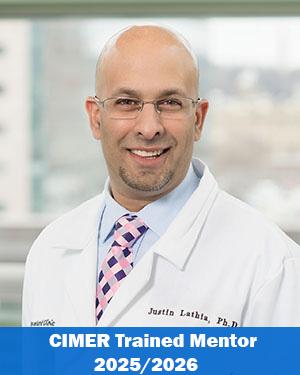
“A large aspect of molecular medicine is its translational capacity,” says Dr. Lathia, who has been involved with the program since 2015 and is currently Associate Program Director. “We structure our program to give students the granular knowledge that will create a clinical impact – like building new generations of therapies that are molecularly based. And they’re getting this experience at a dynamic academic hospital.”

Students begin the program with a six-week introductory “tools” course that equips them with useful skills for their lab rotations. They’re encouraged to explore different specialties across various labs before choosing one to specialize in. Within a strong network of support and community, they present their research to each other regularly and share feedback to improve their skills.

The curriculum is highly iterative and adjusts based on student feedback and assessment from a curriculum committee.

“Some of our recent changes reflect where biomedical research is headed,” says Jonathan Smith, PhD, Program Director. Dr. Smith has been involved with the program since the start. “We’ve added epidemiology, biostatistics, computational biology, R programming and skills for analyzing large datasets. These topics help students gain vital experience for the current landscape of translational science.”

Clinical exposure adds meaning to scientific research

Drs. Smith and Lathia agree that the program’s number one differentiator is that each student is paired with a clinical co-mentor – a facet made possible by the nature of Cleveland Clinic as a teaching hospital. Students also accumulate 30 hours of clinical experience prior to graduation, adding a patient-facing perspective to their lab research.

“Through clinical shadowing, I had the opportunity to meet patients affected by the disease I study,” says Dalya Khalife, a fourth-year graduate student in the lab of Jennifer Yu, MD, PhD. “Seeing firsthand how glioblastoma impacts patients and their families was an incredibly humbling experience and reinforced why our research matters.”

A dynamic program experience helps students see the impact their work can have, as well as where their careers can go after graduation.

“The program’s emphasis on translating discoveries from the bedside to the bench and ultimately back to the bedside has been particularly valuable to me,” says Edelyn Park, a fifth-year graduate student in the lab of Scott Cameron, MD, PhD. “It has been incredibly meaningful to see a research question progress from patient observations to laboratory investigation and, potentially, back to clinical application.”

Program graduates have gone into a wide variety of careers and industries, including academia, biotechnology, pharmaceuticals, public policy, medical school and clinical research management. Some program alums who are still at Cleveland Clinic return to teach classes to younger students, says Dr. Smith.

Momentum fueled by student success

Drs. Smith and Lathia recently received a five-year grant from the National Institutes of Health that provides funding for eight students per year (two more slots than previously funded). This year, the program will welcome 16 incoming students – one of the largest cohorts since it began.

They view the grant and its expanded support as a testament to the contributions of every faculty member and resource involved with the program, including the Research Education & Training Center.

The best part, in their eyes, is watching students progress through the program.

“You hear more and more that people want to be able to more closely link their theses to the trajectory of human health,” Dr. Lathia says. “Our students have that desire.”

Dr. Smith adds, “I get a lot of satisfaction out of seeing the students grow and develop from a starting place to become real scientists. It’s an amazing transformation.”
Featured Experts
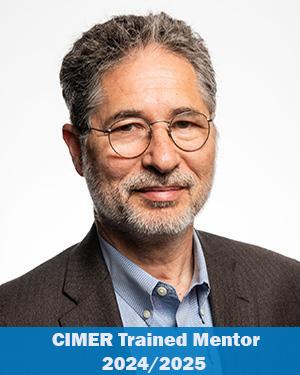
Jonathan Smith Headshot
Jonathan
Smith, PhD
Justin Lathia Headshot
Justin
Lathia, PhD
News Category
Related News
New research unravels connection between rheumatoid arthritis, long COVID and bone pain to bone loss Cleveland Clinic researchers discover MDM4 gene as marker for inherited bone marrow failureCancer Treatment with Nanoparticles Changes Course of Bone Metastasis

Research areas

Research Education & Training Center

Want To Support Ground-Breaking Research at Cleveland Clinic?

Discover how you can help Cleveland Clinic save lives and continue to lead the transformation of healthcare.

Give to Cleveland Clinic

About Cleveland Clinic Research

About Us Careers Contact Us Donate People Directory

Science

Clinical & Translational Research Core Services Departments, Centers & Programs Laboratories Research News

Education & Training

Graduate Programs Global Research Education Molecular Medicine PhD Program Postdoctoral Program RISE Program Undergraduate & High School Programs

Site Information & Policies

Privacy Policy Search Site Site Map Social Media Policy

9500 Euclid Avenue, Cleveland, Ohio 44195 | © 2026 Cleveland Clinic Research