Cleveland Clinic Research Logo
  • About
  • Science
    • Laboratories
    • Office of Research Development
    • Clinical & Translational Research
      Participating in Research
    • Departments
      Biomedical Engineering Cancer Biology Cardiovascular & Metabolic Sciences Computational Life Sciences Florida Research & Innovation Center Genomic Medicine Immunotherapy & Precision Immuno-Oncology
      Infection Biology Inflammation & Immunity Neurosciences Ophthalmic Research Quantitative Health Sciences Translational Hematology & Oncology Research
    • Centers & Programs
      Advanced Musculoskeletal Imaging Angiogenesis Center Cardiovascular Diagnostics & Prevention Consortium for Pain Genitourinary Malignancies Research Genome Center Microbiome & Human Health
      Musculoskeletal Research Northern Ohio Alcohol Center Pathogen & Human Health Research Populations Health Research Quantitative Metabolic Research Therapeutics Discovery
  • Core Services
    • Ohio
      3D Printing Bioimage AnalysisBioRobotics & Mechanical Testing Cell Culture Cleveland Clinic BioRepository Computational Oncology Platform Computing Services Discovery Lab Electron Microscopy Electronics Engineering
      Flow CytometryGenomic Medicine Institute Biorepository Genomics Glassware Histology Hybridoma Immunohistochemistry Immunomonitoring Lab Instrument Refurbishing & Repair Laboratory Diagnostic
      Lerner Research Institute BioRepository Light MicroscopyMechanical Prototyping Microbial Culturing & Engineering Microbial Sequencing & Analytics Resources Media Preparation Molecular Biotechnology Nitinol Polymer Proteomics & Metabolomics SomaScan & Biomarker Therapeutics Discovery
    • Florida
      Bioinformatics & Protein Engineering
      Flow Cytometry
      Imaging
  • Education & Training
    • Graduate Programs Molecular Medicine PhD Program Postdoctoral Program
      Global Research Education Research Intensive Summer Experience (RISE) Undergraduate & High School Programs
  • News
  • Careers
    • Faculty Positions Research Associate & Project Staff Postdoctoral Positions Technical & Administrative Engagement
  • Donate
  • Contact
  • About
  • Science
    • Scientific Programs
    • Laboratories
    • Office of Research Development
    • Clinical & Translational Research
      Participating in Research
    • Departments
      Biomedical Engineering Cancer Biology Cardiovascular & Metabolic Sciences Computational Life Sciences Florida Research & Innovation Center Genomic Medicine Immunotherapy & Precision Immuno-Oncology
      Infection Biology Inflammation & Immunity Neurosciences Ophthalmic Research Quantitative Health Sciences Translational Hematology & Oncology Research
    • Centers & Programs
      Advanced Musculoskeletal Imaging Angiogenesis Center Cardiovascular Diagnostics & Prevention Consortium for Pain Genitourinary Malignancies Research Genome Center Microbiome & Human Health
      Musculoskeletal Research Northern Ohio Alcohol Center Pathogen & Human Health Research Populations Health Research Quantitative Metabolic Research Therapeutics Discovery
  • Core Services
    • All Cores
    • Ohio
      3D Printing Bioimage Analysis BioRobotics & Mechanical Testing Cell Culture Cleveland Clinic BioRepository Computational Oncology Platform Computing Services Discovery Lab Electron Microscopy Electronics Engineering
      Flow CytometryGenomic Medicine Institute BiorepositoryGenomics Glassware Histology Hybridoma Immunohistochemistry Immunomonitoring Lab Instrument Refurbishing & Repair Laboratory Diagnostic
      Lerner Research Institute BioRepository Light MicroscopyMechanical Prototyping Microbial Culturing & Engineering Microbial Sequencing & Analytics Resources Media Preparation Molecular Biotechnology Nitinol Polymer Proteomics SomaScan & Biomarker Therapeutics Discovery
    • Florida
      Bioinformatics & Protein Engineering
      Flow Cytometry
      Imaging
  • Education & Training
    • Research Education & Training Center
    • Graduate Programs Molecular Medicine PhD Program Postdoctoral Program
      Global Research Education Research Intensive Summer Experience (RISE) Undergraduate & High School Programs
  • News
  • Careers
    • Faculty Positions Research Associate & Project Staff Postdoctoral Positions Technical & AdministrativeEngagement
  • Donate
  • Contact
  • Search

Research News

❮News Preparing the clinical and translational researchers of the future

02/17/2026

Preparing the clinical and translational researchers of the future

Career development program provides multidisciplinary mentoring that helps scholars speak the language of discovery.

A group of individuals sitting at long tables and looking toward the front of the room, where a presenter (who is not visible in the photo) is speaking.

Part of Cleveland Clinic’s mission to “educate those who serve” is supporting professional development programs. That includes the 2025 K12 Career Development program, offered by the Clinical and Translational Science Collaborative (CTSC) of Northern Ohio. The seven members of this year’s cohort—called “Scholars”—are immersed in mentoring, networking and collaborative learning, which sets a trajectory for their success.

Since 2004, over 70 Scholars have completed the CTSC Career Development program. More than 80% are still engaged in research, including some who lead labs in Cleveland Clinic Research. Around 80% of Scholars secured independent funding from the NIH and other federal, commercial and philanthropic funding sources five years after their programs, and 50% secured funding after eight years. These percentages are much higher than the national averages.

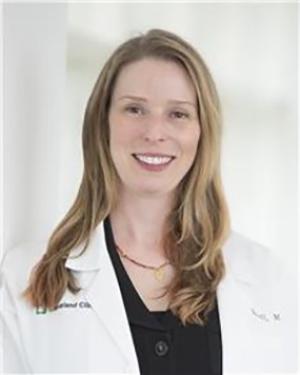
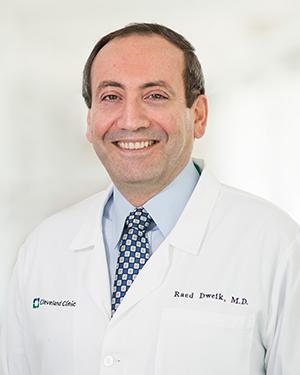
This year’s program is led by two Cleveland Clinic researchers: Raed Dweik, MD, Enterprise Chief of the Integrated Hospital Care Institute, and Ruth Farrell, MD, MA, the Obstetrics and Gynecology Institute’s Vice Chair of Research.

In a conversation about the history and track record of the K12 program, Drs. Dweik and Farrell discuss the advantages of a multidisciplinary approach and how the CTSC is shaping research, at Cleveland Clinic and across the region.

Designed with intention

Cleveland Clinic leaders first secured funding for a K12 Multidisciplinary Clinical Research Training Program from the National Institutes of Health (NIH) in 2004. The K12 transitioned to a KL2 in 2007 when it joined the city-wide Clinical and Translational Science Awards program, and was the predecessor of the current K12 award.

Unlike many other K12 programs that are focused on a single specialty or area of research, the cohorts led by the CTSC (of which Cleveland Clinic is a core institutional partner) are multidisciplinary—an intentional choice from the very beginning.

“We identified a need in the research community for multidisciplinary leaders when we designed our Career Development Program and initial funding request,” says Dr. Dweik, a program leader from the start who is also the chair of Pulmonary and Critical Care. “As a result, we decided that our cohorts would include emerging researchers with a variety of degrees (MD, PhD, MPH, DO and so on) and from diverse professional disciplines—including nursing and social work, among others. This year’s cohort, for example, includes a practitioner in family medicine, a scientist in reproductive biology and a trauma surgeon.”

Becoming a learner again

While some elements of the program have been consistent since its origin (weekly meetings, formal coursework and protected time for research), leaders modify the topics each year to align with current and emerging trends in research. This year, the program includes sessions on large language models, artificial intelligence and quantum computing—not to promote expertise, but to help Scholars learn about how these technologies can augment research.

“Our Scholars get to take a step back and be curious, ask questions and push the boundaries of science in new ways through this program,” says Dr. Farrell. “Dedicated research time is critical because it provides Scholars with the opportunity to conduct high-impact research and grow their networks.” 

She also notes that the training is individualized for Scholars’ needs, whether their careers are fully focused on research or they are balancing research with clinical or surgical roles.

A pathway toward success

Many Scholars have advanced into leadership roles at their home institutions. Dr. Farrell, for instance, was a CTSC KL2 Scholar in 2007, and is now co-director of Cleveland Clinic’s K12 program.

In the eyes of Drs. Dweik and Farrell, this record of success reflects not only the robust aspects of the K12 program, but also the ambition and curiosity of the Scholars.

“Every contributor to the K12 program, including leaders and mentors, is focused in helping our Scholars gain awareness and agility that they can apply to their career paths,” Dr. Dweik says. “The future of research is increasingly multidisciplinary, and the collaborative nature of our program reflects what Cleveland Clinic researchers do every day.”

“We encourage them to carry forward a collaborative spirit and face uncertainties in research funding with resilience,” Dr. Farrell adds. “Our 2025 Scholars are incredible early-stage scientists, and we’re grateful to offer this program with the CTSC. We can’t wait to see how all of our Scholars continue to shape the field of clinical and translational research.”

2025 CTSC K12 Scholars

  • Adina Kern-Goldberger, MD – Cleveland Clinic
  • Jared Travers, MD, PhD – University Hospitals
  • Deirdre Scully, PhD – Case Western Reserve University
  • Shahdi Malakooti, MD – MetroHealth
  • James Ross, MD – University Hospitals
  • Farrah Madanay, PhD – Cleveland Clinic
  • Prakash Ganesh, MD – Case Western Reserve University
Featured Experts
Raed Dweik Headshot
Raed
Dweik, MD
Ruth Farrell Headshot
Ruth
Farrell, MD
News Category
Related News
How a decade of patient-reported outcome measures is shaping the future of orthopaedic surgery Studying the past of orthopaedic patient-reported outcome measures to improve the future of careAward-winning personalized care for joint replacement research based on decade of data

Want To Support Ground-Breaking Research at Cleveland Clinic?

Discover how you can help Cleveland Clinic save lives and continue to lead the transformation of healthcare.

Give to Cleveland Clinic

About Cleveland Clinic Research

About Us Careers Contact Us Donate People Directory

Science

Clinical & Translational Research Core Services Departments, Centers & Programs Laboratories Research News

Education & Training

Graduate Programs Global Research Education Molecular Medicine PhD Program Postdoctoral Program RISE Program Undergraduate & High School Programs

Site Information & Policies

Privacy Policy Search Site Site Map Social Media Policy

9500 Euclid Avenue, Cleveland, Ohio 44195 | © 2026 Cleveland Clinic Research