Cleveland Clinic Research Logo
  • About
  • Science
    • Laboratories
    • Office of Research Development
    • Clinical Research
      Participating in Research
    • Departments
      Biomedical Engineering Cancer Sciences Computational Life Sciences Florida Research & Innovation Center Genomic Sciences & Systems Biology
      Heart, Blood & Kidney Research Inflammation & Immunity Microbial Sciences in Health Neurosciences Ophthalmic Research Quantitative Health Sciences
    • Centers & Programs
      Advanced Musculoskeletal Imaging Angiogenesis Center Cardiovascular Diagnostics & Prevention Cell Therapy & Immunoengineering Program Consortium for Pain Genitourinary Malignancies Research Genome Center Global Center for Immunotherapy & Precision Immuno-Oncology Microbiome & Human Health
      Musculoskeletal ResearchNeuro-Oncology ProgramNorthern Ohio Alcohol Center Pathogen & Human Health Research Populations Health Research Quantitative Metabolic Research Therapeutics Discovery Translational and Correlative Sciences Service Tumor Pathophysiology & Evolution Program Women's Cancers Program
  • Core Services
    • Ohio
      3D Printing Bioimage AnalysisBioRobotics & Mechanical Testing Cell Culture Cleveland Clinic BioRepository Computational Oncology Platform Discovery Lab Electron Microscopy Electronics Engineering
      Flow CytometryGenomic Medicine Institute Biorepository Genomics Glassware Histology Hybridoma Immunohistochemistry Immunomonitoring Lab Instrument Refurbishing & Repair Laboratory Diagnostic
      Lerner Research Institute BioRepository Light MicroscopyMechanical Prototyping Microbial Culturing & Engineering Microbial Sequencing & Analytics Media Preparation Molecular Biotechnology Nitinol Polymer Proteomics & Metabolomics SomaScan & Biomarker
    • Florida
      Flow Cytometry
      Imaging
  • Education & Training
    • Graduate Programs Molecular Medicine PhD Program Postdoctoral Program
      Global Research Education Research Intensive Summer Experience (RISE) Undergraduate & High School Programs
  • News
  • Careers
    • Faculty Positions Research Associate & Project Staff Postdoctoral Positions Technical & Administrative Engagement
  • Donate
  • Contact
  • About
  • Science
    • Scientific Programs
    • Laboratories
    • Office of Research Development
    • Clinical Research
      Participating in Research
    • Departments
      Biomedical Engineering Cancer Sciences Computational Life Sciences Florida Research & Innovation Center Genomic Sciences & Systems Biology
      Heart, Blood & Kidney Research Inflammation & Immunity Microbial Sciences in Health Neurosciences Ophthalmic Research Quantitative Health Sciences
    • Centers & Programs
      Advanced Musculoskeletal Imaging Angiogenesis Center Cardiovascular Diagnostics & Prevention Cell Therapy & Immunoengineering Program Consortium for Pain Genitourinary Malignancies Research Genome Center Global Center for Immunotherapy & Precision Immuno-Oncology Microbiome & Human Health
      Musculoskeletal Research Neuro-Oncology ProgramNorthern Ohio Alcohol Center Pathogen & Human Health Research Populations Health Research Quantitative Metabolic Research Therapeutics Discovery Translational and Correlative Sciences Service Tumor Pathophysiology & Evolution Program Women's Cancers Program
  • Core Services
    • All Cores
    • Ohio
      3D Printing Bioimage Analysis BioRobotics & Mechanical Testing Cell Culture Cleveland Clinic BioRepository Computational Oncology Platform Discovery Lab Electron Microscopy Electronics Engineering
      Flow CytometryGenomic Medicine Institute BiorepositoryGenomics Glassware Histology Hybridoma Immunohistochemistry Immunomonitoring Lab Instrument Refurbishing & Repair Laboratory Diagnostic
      Lerner Research Institute BioRepository Light MicroscopyMechanical Prototyping Microbial Culturing & Engineering Microbial Sequencing & Analytics Media Preparation Molecular Biotechnology Nitinol Polymer Proteomics SomaScan & Biomarker
    • Florida
      Flow Cytometry
      Imaging
  • Education & Training
    • Research Education & Training Center
    • Graduate Programs Molecular Medicine PhD Program Postdoctoral Program
      Global Research Education Research Intensive Summer Experience (RISE) Undergraduate & High School Programs
  • News
  • Careers
    • Faculty Positions Research Associate & Project Staff Postdoctoral Positions Technical & AdministrativeEngagement
  • Donate
  • Contact
  • Search

Research News

❮News Northern Ohio Alcohol Center advances alcohol research and young scientists’ careers

10/12/2026

Northern Ohio Alcohol Center advances alcohol research and young scientists’ careers

Grant-supported center commemorates a decade of addressing a major public health concern.

A researcher in a white lab coat using a dropper to extract some red wine from a glass container. Two bottles of wine are on the lab bench next to them.

Cleveland Clinic’s Northern Ohio Alcohol Center (NOAC) launched ten years ago to address alcohol-associated liver disease and explore the impact of alcohol on other organs.

Laura Nagy, PhD, the director of the NOAC, applied for initial grant funding from the National Institute on Alcohol Abuse and Alcoholism (NIAAA), a branch of the National Institutes of Health, because she saw an important, multidisciplinary opportunity for researchers to take on a critical public health issue.

“When I first joined Cleveland Clinic, very few people were studying alcohol-associated organ injury, yet there were many expert investigators in the areas that are susceptible to alcohol injury,” Dr. Nagy says. “By bringing together my group’s expertise in different preclinical models, I believed we could expand our range of studies in alcohol research.”

Researching new angles, seeking solutions

Alcohol-associated liver disease (AALD) develops when frequent, heavy alcohol use damages the liver. It is considered a major public health concern because of its prevalence and severity. The problem is growing because alcohol contributes to a substantial portion of liver-related deaths, and AALD can progress to more serious conditions.

Alcohol is also associated with injuries to other organs – even if a person is not considered a heavy drinker. Currently, there is no treatment or cure for AALD other than eliminating alcohol. Cleveland Clinic’s researchers want to find more solutions.

Over the past 10 years, multiple labs have expanded their work to include alcohol-associated research. These studies have resulted in many high-impact publications, including the sample listed below:

  • J. Mark Brown, PhD, who studies the influence of the gut microbiome on disease progression. His lab’s discovery of an association between trimethylamine (TMA) and AALD is the first proof-of-concept that targeting microbial enzymes can improve disease outcomes – a finding that has broad implications for drug discovery.
  • Srinivasan Dasarathy, MD, whose research focus areas include sarcopenia, which is the gradual age-related loss of muscle mass, strength and function.
  • Dimitrios Davalos, PhD, whose interest in microglia and in vivo imaging work has enhanced studies connected to AALD.
  • Dr. Nagy, whose lab work includes studies on how alcohol affects innate immune function.

Supporting future AALD research

Multiple research components and associated cores in the NOAC support scientists and encourage innovation. In addition to an administrative core that sponsors speakers and retreats, and resource cores that provide cell and preclinical models, the NOAC also includes a clinical core. This core, connected to Cleveland Clinic’s BioRepository, grants researchers access to biological samples from healthy individuals, heavy drinkers, people with AALD and people with metabolic liver disease.

A pilot core provides funding for one or two projects per year. Some pilot award recipients have gone on to get R01 (independent) research funding and started their own labs, either at other research institutions or within Cleveland Clinic – including Gail Cresci, PhD, and Dr. Brown.

Over the past decade, 10 trainees associated with the NOAC have received additional research grants from the NIAAA – a statistic that highlights the importance of the researchers' ongoing work.

“I received a pilot grant as a young investigator, which started my lab’s maiden voyage into alcohol-focused research,” Dr. Brown says. “The NOAC is designed to bring together expertise to tackle hard scientific questions, and also plays a role in the education and training of young scientists across Cleveland Clinic Research.”

For trainees and young scientists, opportunities to present their work and attend conferences – in addition to working alongside principal investigators and researchers across disciplines – are particularly valuable.

“My involvement with the NOAC has been an important part of my scientific training and development at Cleveland Clinic,” says Venkateshwari Varadharajan, research associate in Dr. Brown’s lab. “The center has provided me with a strong environment for collaboration, mentorship and research presentations as I engage in work focused on understanding molecular mechanisms that contribute to alcohol-associated liver injury.”

More work to do

Funding for the NOAC has just been renewed for a third five-year cycle. The P50 grant, which supports a broadly based, multidisciplinary, often long-term research project focused on a specific theme, will maintain the NOAC’s objective to uncover mechanisms related to alcohol and tissue injury.

“As our work continues for the next five years and beyond, we hope to identify and develop treatments that help patients prevent or recover from the impacts of alcohol-associated diseases,” Dr. Nagy says. “With the way the NOAC reflects Cleveland Clinic’s approach to team science and focus on patient outcomes, I’m optimistic that we’ll continue to expand the breadth and depth of alcohol research.”
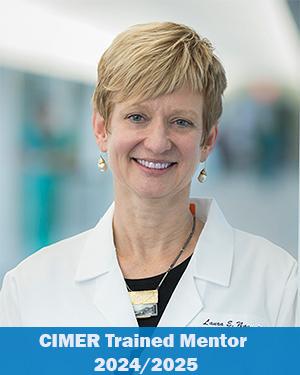
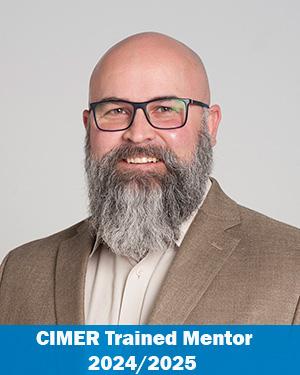
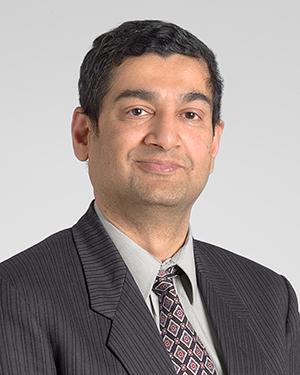
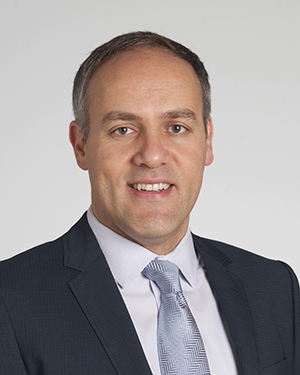
Featured Experts
Laura Nagy Headshot
Laura
Nagy, PhD
J. Mark Brown Headshot
J. Mark
Brown, PhD
Srinivasan Dasarathy Headshot
Srinivasan
Dasarathy, MD
Dimitrios Davalos Headshot
Dimitrios
Davalos, PhD
News Category
Population health
Related News
New Study Unveils the Cellular Mechanism of Umbilical Cord Vessel Closure Following DeliveryVaricose veins study identifies biological changes associated with the disease

Research areas

Northern Ohio Alcohol Center

Want To Support Ground-Breaking Research at Cleveland Clinic?

Discover how you can help Cleveland Clinic save lives and continue to lead the transformation of healthcare.

Give to Cleveland Clinic

About Cleveland Clinic Research

About Us Careers Contact Us Donate People Directory

Science

Clinical & Translational Research Core Services Departments, Centers & Programs Laboratories Research News

Education & Training

Graduate Programs Global Research Education Molecular Medicine PhD Program Postdoctoral Program RISE Program Undergraduate & High School Programs

Site Information & Policies

Privacy Policy Search Site Site Map Social Media Policy

9500 Euclid Avenue, Cleveland, Ohio 44195 | © 2026 Cleveland Clinic Research