Cleveland Clinic Research Logo
  • About
  • Science
    • Laboratories
    • Office of Research Development
    • Clinical & Translational Research
      Participating in Research
    • Departments
      Biomedical Engineering Cancer Biology Cardiovascular & Metabolic Sciences Florida Research & Innovation Center Genomic Medicine Immunotherapy & Precision Immuno-Oncology
      Infection Biology Inflammation & Immunity Neurosciences Ophthalmic Research Quantitative Health Sciences Translational Hematology & Oncology Research
    • Centers & Programs
      Advanced Musculoskeletal Imaging Angiogenesis Center Cardiovascular Diagnostics & Prevention Computational Life Sciences Consortium for Pain Genitourinary Malignancies Research Genome Center
      Microbiome & Human Health Musculoskeletal Research Northern Ohio Alcohol Center Pathogen & Human Health Research Populations Health Research Quantitative Metabolic Research Therapeutics Discovery
  • Core Services
    • Ohio
      3D Printing Bioimage AnalysisBioRobotics & Mechanical Testing Cell Culture Cleveland Clinic BioRepository Computational Oncology Platform Computing Services Discovery Lab Electron Microscopy Electronics Engineering
      Flow CytometryGenomic Medicine Institute Biorepository Genomics Glassware Histology Hybridoma Immunohistochemistry Immunomonitoring Lab Instrument Refurbishing & Repair Laboratory Diagnostic
      Lerner Research Institute BioRepository Light MicroscopyMechanical Prototyping Microbial Culturing & Engineering Microbial Sequencing & Analytics Resources Media Preparation Molecular Biotechnology Nitinol Polymer Proteomics & Metabolomics SomaScan & Biomarker Therapeutics Discovery
    • Florida
      Bioinformatics & Protein Engineering
      Flow Cytometry
      Imaging
  • Education & Training
    • Graduate Programs Molecular Medicine PhD Program Postdoctoral Program
      Global Research Education Research Intensive Summer Experience (RISE) Undergraduate & High School Programs
  • News
  • Careers
    • Faculty Positions Research Associate & Project Staff Postdoctoral Positions Technical & Administrative Engagement
  • Donate
  • Contact
  • About
  • Science
    • Scientific Programs
    • Laboratories
    • Office of Research Development
    • Clinical & Translational Research
      Participating in Research
    • Departments
      Biomedical Engineering Cancer Biology Cardiovascular & Metabolic Sciences Florida Research & Innovation Center Genomic Medicine Immunotherapy & Precision Immuno-Oncology
      Infection Biology Inflammation & Immunity Neurosciences Ophthalmic Research Quantitative Health Sciences Translational Hematology & Oncology Research
    • Centers & Programs
      Advanced Musculoskeletal Imaging Angiogenesis Center Cardiovascular Diagnostics & Prevention Computational Life Sciences Consortium for Pain Genitourinary Malignancies Research Genome Center
      Microbiome & Human Health Musculoskeletal Research Northern Ohio Alcohol Center Pathogen & Human Health Research Populations Health Research Quantitative Metabolic Research Therapeutics Discovery
  • Core Services
    • All Cores
    • Ohio
      3D Printing Bioimage Analysis BioRobotics & Mechanical Testing Cell Culture Cleveland Clinic BioRepository Computational Oncology Platform Computing Services Discovery Lab Electron Microscopy Electronics Engineering
      Flow CytometryGenomic Medicine Institute BiorepositoryGenomics Glassware Histology Hybridoma Immunohistochemistry Immunomonitoring Lab Instrument Refurbishing & Repair Laboratory Diagnostic
      Lerner Research Institute BioRepository Light MicroscopyMechanical Prototyping Microbial Culturing & Engineering Microbial Sequencing & Analytics Resources Media Preparation Molecular Biotechnology Nitinol Polymer Proteomics SomaScan & Biomarker Therapeutics Discovery
    • Florida
      Bioinformatics & Protein Engineering
      Flow Cytometry
      Imaging
  • Education & Training
    • Research Education & Training Center
    • Graduate Programs Molecular Medicine PhD Program Postdoctoral Program
      Global Research Education Research Intensive Summer Experience (RISE) Undergraduate & High School Programs
  • News
  • Careers
    • Faculty Positions Research Associate & Project Staff Postdoctoral Positions Technical & AdministrativeEngagement
  • Donate
  • Contact
  • Search

Research News

❮News Breast cancer brain metastasis digital model could lead to breakthrough therapies

01/08/2026

Breast cancer brain metastasis digital model could lead to breakthrough therapies

Studying the shape of cancer within the context of the brain aims to accelerate breast cancer breakthroughs.

Each panel in this figure shows different ways brain cells called astrocytes can be organized, and how that organization influences breast cancer cells into forming brain tumors.
Each panel in this figure shows different ways brain cells called astrocytes can be organized, and how that organization influences breast cancer cells into forming brain tumors. Purple = astrocytes; blue = breast cancer cells; green = overlap between the two cells

A new Cleveland Clinic model simulates how the organization of cells within our brains promotes breast cancer brain metastasis (BCBM). Researchers mapped interactions between tumor cells that spread to the brain and star-shaped, noncancerous brain cells called astrocytes. Published in Bulletin of Mathematical Biology, the digital model lets researchers explore how astrocytes are arranged within our brains.

Understanding how healthy cells in a tumor microenvironment help the cancer grow is important for future treatment strategies, first author Rupleen Kaur explains. Cancer cells mutate quickly, which makes them likelier to evolve treatment resistance. Noncancerous cells rarely mutate, so it may be easier to target those cells to block tumor growth.

“We know by now that the tumor microenvironment plays a key role in helping metastatic cancer cells form tumors far away, but we don’t know much about how the organization of that environment plays a role,” says Kaur, an MD-PhD candidate in the laboratory of study lead author Andrew Dhawan, MD, DPhil. “Our model lets us study the tumor microenvironment as a dynamic, evolving ecosystem.”

Why do we need to model different patterns in which brain cells can be organized?

Cancer cells trick, or “reprogram,” astrocytes into helping tumors grow and resist treatment. Studying this process is difficult because the brain environment is very different than a petri dish. Some parts of the brain are astrocyte-rich, and others have few. The gray and white matter in the brain also have very different patterns of astrocyte organization. These cell-level patterns are too small and intricate to map out using current methods, even with an MRI.

Kaur’s model allows users to manipulate factors including cell density and astrocyte distribution within the brain. These tests can show how tissue structure affects metastasis growth.

“We wanted to answer many questions with our model. Are BCBM tumors in astrocyte-rich regions of the brain more aggressive? Do we need to treat them differently?” Kaur says. “We can’t answer those questions until we can answer this one: how sensitive is metastatic growth to the physical structure of the microenvironment in the brain?” 

According to the Dhawan Lab’s model, the answer is very sensitive.

What did the model show?

Across thousands of simulations:

  • BCBM tumors in astrocyte-dense environments were almost twice as large as tumors in astrocyte-poor environments.
  • The presence of astrocytes also changed the tumors’ shape, creating irregular, "raggedy" edges linked to aggressive behavior.
  • Tumors grew differently when astrocytes were clustered versus evenly spaced, even at the same average density.
  • Astrocyte-rich regions form “chemoprotective pockets,” where computer simulations predicted the BCBM tumors would resist chemotherapy and treatment.

The Dhawan Lab’s findings complemented work by Cleveland Clinic’s Peiwen Chen, PhD, whose research has shown that immune cells in the brain can also promote metastasis and chemotherapy resistance.

“Cleveland Clinic is home to leading experts in breast cancer brain metastasis research, with each of us approaching the challenge from different angles,” Dr. Dhawan says. “Together, our data show the microenvironment matters as much as the tumor. By targeting the support structures that help cancer persist, we could reduce the lethality and even occurrence of brain metastases.”
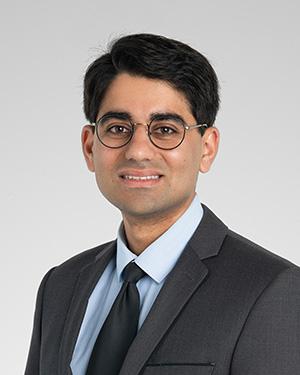
Featured Experts
Andrew Dhawan Headshot
Andrew
Dhawan, MD, DPhil, FRCPC
News Category
Emerging technology
Related News
Assessing neighborhoods with high untreated hypertension provides basis for future community care Building 'digital twin neighborhoods' to support public health initiatives, researchNew Lerner Core to Provide Human Biological Samples for Discovery

Research areas

Cardiovascular & Metabolic Sciences

Want To Support Ground-Breaking Research at Cleveland Clinic?

Discover how you can help Cleveland Clinic save lives and continue to lead the transformation of healthcare.

Give to Cleveland Clinic

About Cleveland Clinic Research

About Us Careers Contact Us Donate People Directory

Science

Clinical & Translational Research Core Services Departments, Centers & Programs Laboratories Research News

Education & Training

Graduate Programs Global Research Education Molecular Medicine PhD Program Postdoctoral Program RISE Program Undergraduate & High School Programs

Site Information & Policies

Privacy Policy Search Site Site Map Social Media Policy

9500 Euclid Avenue, Cleveland, Ohio 44195 | © 2026 Cleveland Clinic Research