Cleveland Clinic Research Logo
  • About
  • Science
    • Laboratories
    • Office of Research Development
    • Clinical & Translational Research
      Participating in Research
    • Departments
      Biomedical Engineering Cancer Biology Cardiovascular & Metabolic Sciences Florida Research & Innovation Center Genomic Medicine Immunotherapy & Precision Immuno-Oncology
      Infection Biology Inflammation & Immunity Neurosciences Ophthalmic Research Quantitative Health Sciences Translational Hematology & Oncology Research
    • Centers & Programs
      Advanced Musculoskeletal Imaging Angiogenesis Center Cardiovascular Diagnostics & Prevention Computational Life Sciences Consortium for Pain Genitourinary Malignancies Research Genome Center
      Microbiome & Human Health Musculoskeletal Research Northern Ohio Alcohol Center Pathogen & Human Health Research Populations Health Research Quantitative Metabolic Research Therapeutics Discovery
  • Core Services
    • Ohio
      3D Printing Bioimage AnalysisBioRobotics & Mechanical Testing Cell Culture Cleveland Clinic BioRepository Computational Oncology Platform Computing Services Discovery Lab Electron Microscopy Electronics Engineering
      Flow CytometryGenomic Medicine Institute Biorepository Genomics Glassware Histology Hybridoma Immunohistochemistry Immunomonitoring Lab Instrument Refurbishing & Repair Laboratory Diagnostic
      Lerner Research Institute BioRepository Light MicroscopyMechanical Prototyping Microbial Culturing & Engineering Microbial Sequencing & Analytics Resources Media Preparation Molecular Biotechnology Nitinol Polymer Proteomics & Metabolomics SomaScan & Biomarker Therapeutics Discovery
    • Florida
      Bioinformatics & Protein Engineering
      Flow Cytometry
      Imaging
  • Education & Training
    • Graduate Programs Molecular Medicine PhD Program Postdoctoral Program
      Global Research Education Research Intensive Summer Experience (RISE) Undergraduate & High School Programs
  • News
  • Careers
    • Faculty Positions Research Associate & Project Staff Postdoctoral Positions Technical & Administrative Engagement
  • Donate
  • Contact
  • About
  • Science
    • Scientific Programs
    • Laboratories
    • Office of Research Development
    • Clinical & Translational Research
      Participating in Research
    • Departments
      Biomedical Engineering Cancer Biology Cardiovascular & Metabolic Sciences Florida Research & Innovation Center Genomic Medicine Immunotherapy & Precision Immuno-Oncology
      Infection Biology Inflammation & Immunity Neurosciences Ophthalmic Research Quantitative Health Sciences Translational Hematology & Oncology Research
    • Centers & Programs
      Advanced Musculoskeletal Imaging Angiogenesis Center Cardiovascular Diagnostics & Prevention Computational Life Sciences Consortium for Pain Genitourinary Malignancies Research Genome Center
      Microbiome & Human Health Musculoskeletal Research Northern Ohio Alcohol Center Pathogen & Human Health Research Populations Health Research Quantitative Metabolic Research Therapeutics Discovery
  • Core Services
    • All Cores
    • Ohio
      3D Printing Bioimage Analysis BioRobotics & Mechanical Testing Cell Culture Cleveland Clinic BioRepository Computational Oncology Platform Computing Services Discovery Lab Electron Microscopy Electronics Engineering
      Flow CytometryGenomic Medicine Institute BiorepositoryGenomics Glassware Histology Hybridoma Immunohistochemistry Immunomonitoring Lab Instrument Refurbishing & Repair Laboratory Diagnostic
      Lerner Research Institute BioRepository Light MicroscopyMechanical Prototyping Microbial Culturing & Engineering Microbial Sequencing & Analytics Resources Media Preparation Molecular Biotechnology Nitinol Polymer Proteomics SomaScan & Biomarker Therapeutics Discovery
    • Florida
      Bioinformatics & Protein Engineering
      Flow Cytometry
      Imaging
  • Education & Training
    • Research Education & Training Center
    • Graduate Programs Molecular Medicine PhD Program Postdoctoral Program
      Global Research Education Research Intensive Summer Experience (RISE) Undergraduate & High School Programs
  • News
  • Careers
    • Faculty Positions Research Associate & Project Staff Postdoctoral Positions Technical & AdministrativeEngagement
  • Donate
  • Contact
  • Search

Research News

❮News A compound in elderberries may help gut microbes fight insulin resistance

11/24/2025

A compound in elderberries may help gut microbes fight insulin resistance

Gut bacteria make molecules that combat weight gain, reverse insulin resistance, in preclinical models of high fat diets supplemented with elderberry extract.

Bowls full of elderberry products including ripe berries, jams and compotes.

Cleveland Clinic researchers have identified a molecule in elderberry extract and other fruits that may counteract the negative effects of a high-fat diet by slowing weight gain, improving fatty liver disease and reversing insulin resistance. The Molecular Metabolism study explains that these benefits come from our gut bacteria, which digest the molecule into smaller molecules that help regulate metabolism.  

These findings are a step forward for developing strategies that use the gut microbiome to treat disease and maintain health, guiding dietary recommendations and prebiotic or probiotic therapies. 

Senior author Jan Claesen, PhD, didn’t set out to study elderberries over any other fruit or vegetable when he started his lab. His laboratory studies how our gut microbiomes help us digest antioxidants called polyphenols, because we can’t break the molecules down on our own. Polyphenols are mostly found in colorful fruits and vegetables, especially berries.  

In preclinical models, the Claesen Lab found that a common gut bacteria called Clostridium sporogenes turns a polyphenol in elderberries (cinnamic acid) into the metabolite 3-phenylpropionic acid (3-PPA). This metabolite travels from the intestines to the liver, where it activates pathways that improve insulin control and reduce fat creation. Directly adding 3-PPA to liver cells in petri dish experiments showed the same results. 

“We used elderberries for this study because they’re excellent sources of edible polyphenols, not because we think they’re magical,” Dr. Claesen says. “What this study does is showcase some fascinating microbial chemistry that we are now working to understand so we can make interventions that improve our metabolic health. Similar polyphenol compounds are found across plant-based foods, and our gut microbiota can metabolize these into related compounds that might match the potency of 3-PPA."

When designed well, drugs that target gut bacteria can improve health without harming human cells. Dietary changes may be even more powerful, because they can positively influence our own cells in addition to our microbes.  

Dr. Claesen and his team are now working to understand more about how 3-PPA improves our metabolic health, and how we can develop 3-PPA based treatments through methods including: 

  • Dietary changes, like incorporating berry-based supplements
  • Prebiotic and probiotic therapies that help Clostridium sporogenes and other cinnamic acid-processing bacteria thrive in our digestive tracts
  • Drug development to deliver pure 3-PPA into our systems 

While his lab works to turn their preclinical findings into human treatments, Dr. Claesen stresses that he currently does not recommend any specific probiotic, supplement or elderberry product. He also cautions against eating too many raw elderberries due to the risk of cyanide in unripe berries.  

“Dietary intervention studies are challenging in humans because they require large numbers of participants and long timelines, and funding is a big hurdle,” he says. “My recommendation for now would be to work with your physician on a plan that helps you prevent or manage metabolic diseases, including incorporating colorful fruits and vegetables, and let your microbiome do the rest."  
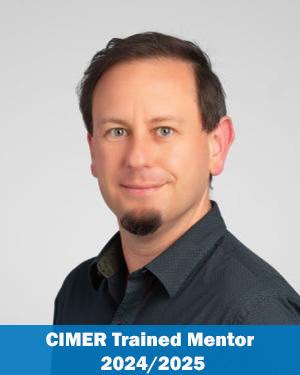
Featured Experts
Jan Claesen Headshot
Jan
Claesen, PhD
News Category
Related News
Cleveland Clinic receives Department of Defense grant to further study chemoresistance in ovarian cancerNew findings remove roadblock to targeted treatment for chemo-resistant ovarian cancerBreastfeeding Cuts Ovarian Cancer Risk in BRCA Mutation Carriers

Research areas

Cardiovascular & Metabolic Sciences

Want To Support Ground-Breaking Research at Cleveland Clinic?

Discover how you can help Cleveland Clinic save lives and continue to lead the transformation of healthcare.

Give to Cleveland Clinic

About Cleveland Clinic Research

About Us Careers Contact Us Donate People Directory

Science

Clinical & Translational Research Core Services Departments, Centers & Programs Laboratories Research News

Education & Training

Graduate Programs Global Research Education Molecular Medicine PhD Program Postdoctoral Program RISE Program Undergraduate & High School Programs

Site Information & Policies

Privacy Policy Search Site Site Map Social Media Policy

9500 Euclid Avenue, Cleveland, Ohio 44195 | © 2025 Cleveland Clinic Research