Cleveland Clinic Research Logo
  • About
  • Science
    • Laboratories
    • Office of Research Development
    • Clinical & Translational Research
      Participating in Research
    • Departments
      Biomedical Engineering Cancer Biology Cardiovascular & Metabolic Sciences Florida Research & Innovation Center Genomic Medicine Immunotherapy & Precision Immuno-Oncology
      Infection Biology Inflammation & Immunity Neurosciences Ophthalmic Research Quantitative Health Sciences Translational Hematology & Oncology Research
    • Centers & Programs
      Advanced Musculoskeletal Imaging Angiogenesis Center Cardiovascular Diagnostics & Prevention Computational Life Sciences Consortium for Pain Genitourinary Malignancies Research Genome Center
      Microbiome & Human Health Musculoskeletal Research Northern Ohio Alcohol Center Pathogen & Human Health Research Populations Health Research Quantitative Metabolic Research Therapeutics Discovery
  • Core Services
    • Ohio
      3D Printing Bioimage AnalysisBioRobotics & Mechanical Testing Cell Culture Cleveland Clinic BioRepository Computational Oncology Platform Computing Services Discovery Lab Electron Microscopy Electronics Engineering
      Flow CytometryGenomic Medicine Institute Biorepository Genomics Glassware Histology Hybridoma Immunohistochemistry Immunomonitoring Lab Instrument Refurbishing & Repair Laboratory Diagnostic
      Lerner Research Institute BioRepository Light MicroscopyMechanical Prototyping Microbial Culturing & Engineering Microbial Sequencing & Analytics Resources Media Preparation Molecular Biotechnology Nitinol Polymer Proteomics & Metabolomics SomaScan & Biomarker Therapeutics Discovery
    • Florida
      Bioinformatics & Protein Engineering
      Flow Cytometry
      Imaging
  • Education & Training
    • Graduate Programs Molecular Medicine PhD Program Postdoctoral Program
      Global Research Education Research Intensive Summer Experience (RISE) Undergraduate & High School Programs
  • News
  • Careers
    • Faculty Positions Research Associate & Project Staff Postdoctoral Positions Technical & Administrative Engagement
  • Donate
  • Contact
  • About
  • Science
    • Scientific Programs
    • Laboratories
    • Office of Research Development
    • Clinical & Translational Research
      Participating in Research
    • Departments
      Biomedical Engineering Cancer Biology Cardiovascular & Metabolic Sciences Florida Research & Innovation Center Genomic Medicine Immunotherapy & Precision Immuno-Oncology
      Infection Biology Inflammation & Immunity Neurosciences Ophthalmic Research Quantitative Health Sciences Translational Hematology & Oncology Research
    • Centers & Programs
      Advanced Musculoskeletal Imaging Angiogenesis Center Cardiovascular Diagnostics & Prevention Computational Life Sciences Consortium for Pain Genitourinary Malignancies Research Genome Center
      Microbiome & Human Health Musculoskeletal Research Northern Ohio Alcohol Center Pathogen & Human Health Research Populations Health Research Quantitative Metabolic Research Therapeutics Discovery
  • Core Services
    • All Cores
    • Ohio
      3D Printing Bioimage Analysis BioRobotics & Mechanical Testing Cell Culture Cleveland Clinic BioRepository Computational Oncology Platform Computing Services Discovery Lab Electron Microscopy Electronics Engineering
      Flow CytometryGenomic Medicine Institute BiorepositoryGenomics Glassware Histology Hybridoma Immunohistochemistry Immunomonitoring Lab Instrument Refurbishing & Repair Laboratory Diagnostic
      Lerner Research Institute BioRepository Light MicroscopyMechanical Prototyping Microbial Culturing & Engineering Microbial Sequencing & Analytics Resources Media Preparation Molecular Biotechnology Nitinol Polymer Proteomics SomaScan & Biomarker Therapeutics Discovery
    • Florida
      Bioinformatics & Protein Engineering
      Flow Cytometry
      Imaging
  • Education & Training
    • Research Education & Training Center
    • Graduate Programs Molecular Medicine PhD Program Postdoctoral Program
      Global Research Education Research Intensive Summer Experience (RISE) Undergraduate & High School Programs
  • News
  • Careers
    • Faculty Positions Research Associate & Project Staff Postdoctoral Positions Technical & AdministrativeEngagement
  • Donate
  • Contact
  • Search

Research News

❮News Physician scientists discover how TRPV4 prevents severe lung injuries during pneumonia

12/23/2025

Physician scientists discover how TRPV4 prevents severe lung injuries during pneumonia

Cleveland Clinic’s research team unraveled how TRPV4 acts as a brake on inflammation, paving the way for therapies for pneumonia and ARDS

A 3D rendering of lungs, colored blue. Green pustules are scattered throughout each lung.

Cleveland Clinic pulmonologist Rachel Scheraga, MD, has discovered how deficiencies in a key molecule called TRPV4 can turn infection-fighting white blood cells into drivers of life-threatening lung inflammation. The discovery, published in Science Signaling, marks a significant step for developing new treatments for conditions lacking effective options. 

During serious microbial infections, the cells in our lungs can be physically damaged by inflammation and microbes. Dr. Scheraga’s lab previously found that white blood cells can sense these damaged areas of the lung. Although our white blood cells cause inflammation to support fighting off the infection, our immune systems can go overboard and damage already vulnerable and wounded tissue.  

Dr. Scheraga treats many patients whose lungs become seriously injured from overactive white blood cells. Some of these injuries can cause chronic inflammatory conditions and others, including acute respiratory distress syndrome (ARDS), are immediate and life-threatening. ARDS has a survival rate of 50%. None of the more serious injuries have many options beyond supportive care, including ventilation, turning the patient to lie on their chest or using external life support. 

“We can try to prescribe anti-inflammatory agents like steroids, but these treatments have mixed results and are hard to predict,” says Dr. Scheraga, who leads a research program in the department of Inflammation and Immunity. “What we really need are new drugs to reverse serious inflammation and injury in the lung, and relevant targets for those drugs.” 

Our immune systems regulate their activity using molecules like TRPV4 to block inflammation, but little is known about how and why this process works. Dr. Scheraga’s team found that TRPV4 molecules help prevent excessive inflammation during infection by binding to a complex of molecules in the NF-κB pathway. This pathway is a master regulator of inflammatory signaling. This process is activated when the immune system senses bacteria through Toll-like receptors. When lung injury occurs, TRPV4 senses the injured tissue, the immune system spirals into overdrive, worsening lung injuries. 

“It used to be very popular to try and develop anti-inflammatory drugs that directly block NF-κB, but that causes lots of off-target effects,” Dr. Scheraga explains. 

Dr. Scheraga and her team hypothesize drugs designed to enhance TRPV4’s interactions with NF-κB could help prevent or reverse lung injury in pneumonia patients. Investigators are currently validating the initial findings in human samples isolated from fluid in the lungs of patients undergoing treatment for pneumonia. 

"Now that we know immune cells use TRPV4 when interacting with an injured tissue, we might be able to target it and stop chronic inflammation right at the epicenter,” Dr. Scheraga says. 
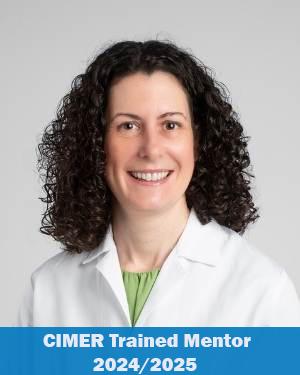
Featured Experts
Rachel  Scheraga Headshot
Rachel
Scheraga, MD
News Category
Related News
Connecting the Dots Between Diet, the Gut Microbiome and CancerProcessing flavonoids, nutritional components of “superfoods,” requires specific gut bacteriaA compound in elderberries may help gut microbes fight insulin resistance

Research areas

Inflammation & Immunity

Want To Support Ground-Breaking Research at Cleveland Clinic?

Discover how you can help Cleveland Clinic save lives and continue to lead the transformation of healthcare.

Give to Cleveland Clinic

About Cleveland Clinic Research

About Us Careers Contact Us Donate People Directory

Science

Clinical & Translational Research Core Services Departments, Centers & Programs Laboratories Research News

Education & Training

Graduate Programs Global Research Education Molecular Medicine PhD Program Postdoctoral Program RISE Program Undergraduate & High School Programs

Site Information & Policies

Privacy Policy Search Site Site Map Social Media Policy

9500 Euclid Avenue, Cleveland, Ohio 44195 | © 2025 Cleveland Clinic Research