Cleveland Clinic Research Logo
  • About
  • Science
    • Laboratories
    • Office of Research Development
    • Clinical Research
      Participating in Research
    • Departments
      Biomedical Engineering Cancer Biology Cardiovascular & Metabolic Sciences Computational Life Sciences Florida Research & Innovation Center Genomic Sciences & Systems Biology Immunotherapy & Precision Immuno-Oncology
      Inflammation & Immunity Microbial Sciences in Health Neurosciences Ophthalmic Research Quantitative Health Sciences Translational Hematology & Oncology Research
    • Centers & Programs
      Advanced Musculoskeletal Imaging Angiogenesis Center Cardiovascular Diagnostics & Prevention Consortium for Pain Genitourinary Malignancies Research Genome Center Microbiome & Human Health
      Musculoskeletal Research Northern Ohio Alcohol Center Pathogen & Human Health Research Populations Health Research Quantitative Metabolic Research Therapeutics Discovery
  • Core Services
    • Ohio
      3D Printing Bioimage AnalysisBioRobotics & Mechanical Testing Cell Culture Cleveland Clinic BioRepository Computational Oncology Platform Discovery Lab Electron Microscopy Electronics Engineering
      Flow CytometryGenomic Medicine Institute Biorepository Genomics Glassware Histology Hybridoma Immunohistochemistry Immunomonitoring Lab Instrument Refurbishing & Repair Laboratory Diagnostic
      Lerner Research Institute BioRepository Light MicroscopyMechanical Prototyping Microbial Culturing & Engineering Microbial Sequencing & Analytics Media Preparation Molecular Biotechnology Nitinol Polymer Proteomics & Metabolomics SomaScan & Biomarker Therapeutics Discovery
    • Florida
      Flow Cytometry
      Imaging
  • Education & Training
    • Graduate Programs Molecular Medicine PhD Program Postdoctoral Program
      Global Research Education Research Intensive Summer Experience (RISE) Undergraduate & High School Programs
  • News
  • Careers
    • Faculty Positions Research Associate & Project Staff Postdoctoral Positions Technical & Administrative Engagement
  • Donate
  • Contact
  • About
  • Science
    • Scientific Programs
    • Laboratories
    • Office of Research Development
    • Clinical Research
      Participating in Research
    • Departments
      Biomedical Engineering Cancer Biology Cardiovascular & Metabolic Sciences Computational Life Sciences Florida Research & Innovation Center Genomic Sciences & Systems Biology Immunotherapy & Precision Immuno-Oncology
      Inflammation & Immunity Microbial Sciences in Health Neurosciences Ophthalmic Research Quantitative Health Sciences Translational Hematology & Oncology Research
    • Centers & Programs
      Advanced Musculoskeletal Imaging Angiogenesis Center Cardiovascular Diagnostics & Prevention Consortium for Pain Genitourinary Malignancies Research Genome Center Microbiome & Human Health
      Musculoskeletal Research Northern Ohio Alcohol Center Pathogen & Human Health Research Populations Health Research Quantitative Metabolic Research Therapeutics Discovery
  • Core Services
    • All Cores
    • Ohio
      3D Printing Bioimage Analysis BioRobotics & Mechanical Testing Cell Culture Cleveland Clinic BioRepository Computational Oncology Platform Discovery Lab Electron Microscopy Electronics Engineering
      Flow CytometryGenomic Medicine Institute BiorepositoryGenomics Glassware Histology Hybridoma Immunohistochemistry Immunomonitoring Lab Instrument Refurbishing & Repair Laboratory Diagnostic
      Lerner Research Institute BioRepository Light MicroscopyMechanical Prototyping Microbial Culturing & Engineering Microbial Sequencing & Analytics Media Preparation Molecular Biotechnology Nitinol Polymer Proteomics SomaScan & Biomarker Therapeutics Discovery
    • Florida
      Flow Cytometry
      Imaging
  • Education & Training
    • Research Education & Training Center
    • Graduate Programs Molecular Medicine PhD Program Postdoctoral Program
      Global Research Education Research Intensive Summer Experience (RISE) Undergraduate & High School Programs
  • News
  • Careers
    • Faculty Positions Research Associate & Project Staff Postdoctoral Positions Technical & AdministrativeEngagement
  • Donate
  • Contact
  • Search

Research News

❮News Gut microbial TMAO blood levels predict abdominal aortic aneurysm risks in general population

07/16/2026

Gut microbial TMAO blood levels predict abdominal aortic aneurysm risks in general population

New study reveals association between elevated plasma levels of the gut microbiome TMAO pathway and higher risk of AAA development and AAA adverse events.

Outline of a torso and arms against a black background with the illustration of an aorta and an abdominal aortic aneurysm inside.
Abdominal aortic aneurysm. Illustration courtesy of Cleveland Clinic.

Testing for elevated levels of the metabolite TMAO (trimethylamine N-oxide) in blood holds promise as a screening tool in the general population and a potential therapeutic target for abdominal aortic aneurysm (AAA), according to a new study co-led by Cleveland Clinic and Tufts University.

The results of the study, published in the European Heart Journal, advance more than a decade of research into the cardiovascular effects of TMAO.

A promising biomarker to predict AAA

AAA is a deadly disease caused by a bulge in the aorta, the largest blood vessel in the body. AAA typically shows no symptoms for years until a sudden rupture, which carries a risk of death greater than 50 percent. Currently, clinicians are limited to using imaging of the aorta to guide decisions around patient care. Screening is difficult because a single image does not indicate whether the AAA is stable or is rapidly expanding over time. No clear drug targets currently exist that prevent AAA from rupturing.

TMAO is the first clinical biomarker to ever predict aortic rupture, a devastating and usually fatal tear in the blood vessel wall, says Scott Cameron, MD, PhD, co-author and Cleveland Clinic’s section head of Vascular Medicine. Doctors can already measure TMAO, a compound produced by bacteria in the gut, through a readily available blood test.

Side-by-side scans in black and white. Image on left shows a normal aorta (long and slender), while the image on the right shows a severe abdominal aortic aneurysm (significantly swollen and in the oblong shape of a lemon).
Scans showing a normal aorta (left) in contrast to a severe abdominal aortic aneurysm (right).

Community-based study cohort reinforces potential for TMAO blood test

In the new study, investigators sought to determine whether TMAO blood levels predict AAA risks in a large group of apparently healthy subjects pulled from the general population.

The study team was co-led by two researchers with a longstanding collaboration on this topic: Cleveland Clinic’s Stanley Hazen, MD, PhD, Chair, Department of Heart, Blood & Kidney Research and co-section head of Preventive Cardiology; and Dariush Mozaffarian, MD, PhD, Director of the Food is Medicine Institute at Tufts University. A collaborative study from the two institutions published in 2022, which involved over 10,000 apparently healthy subjects, noted that higher TMAO levels are associated with animal-sourced foods, especially red meat.

For this study, Drs. Hazen and Mozaffarian drew data from the Cardiovascular Health Study, a national study that follows adults 65 and older to explore risk factors for cardiovascular disease. They analyzed TMAO levels in blood samples measured repeatedly over time in more than 4,400 participants who were followed for up to two decades. Results of the analysis showed that individuals with elevated TMAO levels were at higher risk for the following:

  • Developing AAA
  • Needing surgical intervention for AAA
  • AAA rupture
  • AAA-associated mortality 

Building on more than a decade of novel cardiovascular research

A Cleveland Clinic team led by Dr. Hazen, who holds the Jan Bleeksma Chair in Vascular Cell Biology and Atherosclerosis, first established the connection between the diet, gut microbiome-generated TMAO and cardiovascular disease in 2011. Previous AAA-focused preclinical studies with this team—including a 2023 study in Circulation co-led with Phillip Owens, PhD, at the University of Cincinnati—showed that elevating TMAO levels drives AAA development and lowering TMAO can halt AAA expansion and rupture.

“We’re encouraged that our collaborative studies show TMAO can serve as a blood test to predict risk for AAA even among apparently healthy elderly individuals,” Dr. Hazen says. “The results add to a growing body of data pointing to the gut microbiome as a target for potential treatment strategies for AAA and other cardiometabolic diseases.”

“Altering TMAO concentration in the blood is a clinically actionable strategy both directly blocking its harmful effect at the blood vessel wall and indirectly preventing the ability of the gut microbiome to facilitate TMAO production,” Dr. Cameron says. “This is as close as the field has ever come to finding a non-surgical therapeutic agent for a high-quality clinical trial—one that Cleveland Clinic is well-positioned to lead.”

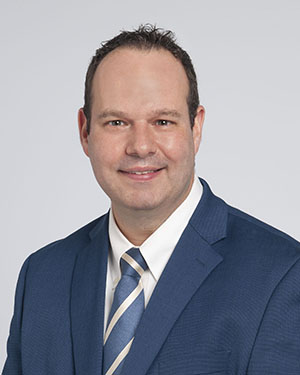
Featured Experts
Stanley Hazen Headshot
Stanley
Hazen, MD, PhD
Scott Cameron Headshot
Scott
Cameron, MD, PhD, RPVI
News Category
Related News
Clarifying the Role of Red Meat and TMAO in Heart DiseaseNot Just Cholesterol: Cleveland Clinic, Tufts Red Meat Study Elaborates on Gut Bacteria’s Role in Forecasting Heart DiseaseNew Research Identifies Link Between Gut Microbes and Stroke

Research areas

Heart, Blood & Kidney Research

Want To Support Ground-Breaking Research at Cleveland Clinic?

Discover how you can help Cleveland Clinic save lives and continue to lead the transformation of healthcare.

Give to Cleveland Clinic

About Cleveland Clinic Research

About Us Careers Contact Us Donate People Directory

Science

Clinical & Translational Research Core Services Departments, Centers & Programs Laboratories Research News

Education & Training

Graduate Programs Global Research Education Molecular Medicine PhD Program Postdoctoral Program RISE Program Undergraduate & High School Programs

Site Information & Policies

Privacy Policy Search Site Site Map Social Media Policy

9500 Euclid Avenue, Cleveland, Ohio 44195 | © 2026 Cleveland Clinic Research