Cleveland Clinic Research Logo
  • About
  • Science
    • Laboratories
    • Office of Research Development
    • Clinical & Translational Research
      Participating in Research
    • Departments
      Biomedical Engineering Cancer Biology Cardiovascular & Metabolic Sciences Florida Research & Innovation Center Genomic Medicine Immunotherapy & Precision Immuno-Oncology
      Infection Biology Inflammation & Immunity Neurosciences Ophthalmic Research Quantitative Health Sciences Translational Hematology & Oncology Research
    • Centers & Programs
      Advanced Musculoskeletal Imaging Angiogenesis Center Cardiovascular Diagnostics & Prevention Computational Life Sciences Consortium for Pain Genitourinary Malignancies Research Genome Center
      Microbiome & Human Health Musculoskeletal Research Northern Ohio Alcohol Center Pathogen & Human Health Research Populations Health Research Quantitative Metabolic Research Therapeutics Discovery
  • Core Services
    • Ohio
      3D Printing Bioimage AnalysisBioRobotics & Mechanical Testing Cell Culture Cleveland Clinic BioRepository Computational Oncology Platform Computing Services Discovery Lab Electron Microscopy Electronics Engineering
      Flow CytometryGenomic Medicine Institute Biorepository Genomics Glassware Histology Hybridoma Immunohistochemistry Immunomonitoring Lab Instrument Refurbishing & Repair Laboratory Diagnostic
      Lerner Research Institute BioRepository Light MicroscopyMechanical Prototyping Microbial Culturing & Engineering Microbial Sequencing & Analytics Resources Media Preparation Molecular Biotechnology Nitinol Polymer Proteomics & Metabolomics SomaScan & Biomarker Therapeutics Discovery
    • Florida
      Bioinformatics & Protein Engineering
      Flow Cytometry
      Imaging
  • Education & Training
    • Graduate Programs Molecular Medicine PhD Program Postdoctoral Program
      Global Research Education Research Intensive Summer Experience (RISE) Undergraduate & High School Programs
  • News
  • Careers
    • Faculty Positions Research Associate & Project Staff Postdoctoral Positions Technical & Administrative Engagement
  • Donate
  • Contact
  • About
  • Science
    • Scientific Programs
    • Laboratories
    • Office of Research Development
    • Clinical & Translational Research
      Participating in Research
    • Departments
      Biomedical Engineering Cancer Biology Cardiovascular & Metabolic Sciences Florida Research & Innovation Center Genomic Medicine Immunotherapy & Precision Immuno-Oncology
      Infection Biology Inflammation & Immunity Neurosciences Ophthalmic Research Quantitative Health Sciences Translational Hematology & Oncology Research
    • Centers & Programs
      Advanced Musculoskeletal Imaging Angiogenesis Center Cardiovascular Diagnostics & Prevention Computational Life Sciences Consortium for Pain Genitourinary Malignancies Research Genome Center
      Microbiome & Human Health Musculoskeletal Research Northern Ohio Alcohol Center Pathogen & Human Health Research Populations Health Research Quantitative Metabolic Research Therapeutics Discovery
  • Core Services
    • All Cores
    • Ohio
      3D Printing Bioimage Analysis BioRobotics & Mechanical Testing Cell Culture Cleveland Clinic BioRepository Computational Oncology Platform Computing Services Discovery Lab Electron Microscopy Electronics Engineering
      Flow CytometryGenomic Medicine Institute BiorepositoryGenomics Glassware Histology Hybridoma Immunohistochemistry Immunomonitoring Lab Instrument Refurbishing & Repair Laboratory Diagnostic
      Lerner Research Institute BioRepository Light MicroscopyMechanical Prototyping Microbial Culturing & Engineering Microbial Sequencing & Analytics Resources Media Preparation Molecular Biotechnology Nitinol Polymer Proteomics SomaScan & Biomarker Therapeutics Discovery
    • Florida
      Bioinformatics & Protein Engineering
      Flow Cytometry
      Imaging
  • Education & Training
    • Research Education & Training Center
    • Graduate Programs Molecular Medicine PhD Program Postdoctoral Program
      Global Research Education Research Intensive Summer Experience (RISE) Undergraduate & High School Programs
  • News
  • Careers
    • Faculty Positions Research Associate & Project Staff Postdoctoral Positions Technical & AdministrativeEngagement
  • Donate
  • Contact
  • Search

Research News

❮News Helmsley Trust Awards $2.7M to STAR Consortium for Crohn’s Stricture AI Development

01/05/2026

Helmsley Trust Awards $2.7M to STAR Consortium for Crohn’s Stricture AI Development

Using advanced imaging and artificial intelligence, the STAR Consortium aims to create an image-based biomarker to drive effective therapies for Crohn’s disease patients with fibrosis.

Dr. Rieder wears a white lab coat as he sits at a laboratory bench, smiling at the camera.
The STAR consortium is led by Florian Rieder, MD.

The Stenosis Therapy and Anti-Fibrotic Research (STAR) Consortium has received a 3-year, $2.7 million award from The Leona M. and Harry B. Helmsley Charitable Trust to expand its support for the development of an artificial intelligence imaging biomarker for Crohn’s disease patients with intestinal fibrosis. The award will involve a collaboration among Cleveland Clinic, Emory University, Mayo Clinic and University of Calgary and be led by co-principal investigators Satish Viswanath, PhD, and Florian Rieder, MD.

Patients with Crohn’s disease, a chronic inflammatory bowel disease, often develop narrowing of the gut due to excessive scar tissue formation. This painful condition, known as stricture, can significantly impair the quality of life in affected patients, often leading to repeated endoscopies, surgeries and hospitalizations. Although advances have been made in fibrotic (scarring) disease of the liver, heart and skin, there are no current anti-fibrotic therapies available for use in Crohn’s disease.

“With this new project, we plan to build a non-invasive tool for patient stratification and early response to anti-fibrotic therapy,” says Dr. Rieder, clinical staff in the Department of Gastroenterology, Hepatology and Nutrition, and research staff in the Department of Inflammation & Immunity at Cleveland Clinic. “The STAR Consortium’s goal is to develop these new techniques so we can help Crohn’s disease patients go back to work, have a family and lead healthy lives.”

Using MRI imaging combined with cutting-edge artificial intelligence (AI), the consortium sets out to have a non-invasive view into the intestine of patients with strictures to measure and track scarring. “Our research will result in domain-inspired and clinically actionable computational imaging tools to help patients. We join forces between international and multidisciplinary AI experts, clinical trialists, basic scientists and radiologists,” said Dr. Viswanath, Associate Professor of Pediatrics and Biomedical Engineering at Emory University.

Cleveland Clinic is the coordinating center for the STAR Consortium, which aims to build a pathway enabling clinical testing of anti-fibrotic drugs in patients with stricturing Crohn’s disease. The consortium is co-led by Dr. Rieder; Joel Fletcher, MD, professor of radiology and medical director of Mayo Clinic’s Clinical Innovation Center; and the late Brian Feagan, MD, senior scientific director of Alimentiv, Inc.

The research data and tools developed under the initiative will be disseminated to the greater Crohn’s disease clinical and research communities for the benefit of all patients.

"We are extremely grateful to The Leona M. and Harry B. Helmsley Charitable Trust for their continuing support to improve the lives of patients with Crohn's disease," Dr. Rieder says. “The Helmsley Charitable Trust has once again provided the STAR Consortium with an opportunity to bring together research expertise to innovate in an area of unmet needs in the study of Crohn’s disease.”

The Helmsley Charitable Trust's Crohn's Disease Program supports impactful ideas and mobilizes a global community committed to improving the lives of Crohn's disease patients while pursuing a cure. The trust is also supporting Cleveland Clinic research through multiple initiatives in the STAR consortium.
Featured Experts
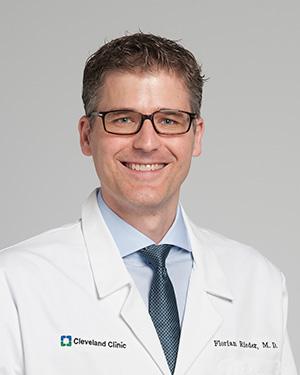
Florian Rieder Headshot
Florian
Rieder, MD
News Category
Emerging technology
Related News
Assessing neighborhoods with high untreated hypertension provides basis for future community care Building 'digital twin neighborhoods' to support public health initiatives, researchNew Lerner Core to Provide Human Biological Samples for Discovery

Research areas

Inflammation & Immunity

Want To Support Ground-Breaking Research at Cleveland Clinic?

Discover how you can help Cleveland Clinic save lives and continue to lead the transformation of healthcare.

Give to Cleveland Clinic

About Cleveland Clinic Research

About Us Careers Contact Us Donate People Directory

Science

Clinical & Translational Research Core Services Departments, Centers & Programs Laboratories Research News

Education & Training

Graduate Programs Global Research Education Molecular Medicine PhD Program Postdoctoral Program RISE Program Undergraduate & High School Programs

Site Information & Policies

Privacy Policy Search Site Site Map Social Media Policy

9500 Euclid Avenue, Cleveland, Ohio 44195 | © 2026 Cleveland Clinic Research