Cleveland Clinic Research Logo
  • About
  • Science
    • Laboratories
    • Office of Research Development
    • Clinical Research
      Participating in Research
    • Departments
      Biomedical Engineering Cancer Biology Cardiovascular & Metabolic Sciences Computational Life Sciences Florida Research & Innovation Center Genomic Medicine Immunotherapy & Precision Immuno-Oncology
      Infection Biology Inflammation & Immunity Neurosciences Ophthalmic Research Quantitative Health Sciences Translational Hematology & Oncology Research
    • Centers & Programs
      Advanced Musculoskeletal Imaging Angiogenesis Center Cardiovascular Diagnostics & Prevention Consortium for Pain Genitourinary Malignancies Research Genome Center Microbiome & Human Health
      Musculoskeletal Research Northern Ohio Alcohol Center Pathogen & Human Health Research Populations Health Research Quantitative Metabolic Research Therapeutics Discovery
  • Core Services
    • Ohio
      3D Printing Bioimage AnalysisBioRobotics & Mechanical Testing Cell Culture Cleveland Clinic BioRepository Computational Oncology Platform Discovery Lab Electron Microscopy Electronics Engineering
      Flow CytometryGenomic Medicine Institute Biorepository Genomics Glassware Histology Hybridoma Immunohistochemistry Immunomonitoring Lab Instrument Refurbishing & Repair Laboratory Diagnostic
      Lerner Research Institute BioRepository Light MicroscopyMechanical Prototyping Microbial Culturing & Engineering Microbial Sequencing & Analytics Media Preparation Molecular Biotechnology Nitinol Polymer Proteomics & Metabolomics SomaScan & Biomarker Therapeutics Discovery
    • Florida
      Bioinformatics & Protein Engineering
      Flow Cytometry
      Imaging
  • Education & Training
    • Graduate Programs Molecular Medicine PhD Program Postdoctoral Program
      Global Research Education Research Intensive Summer Experience (RISE) Undergraduate & High School Programs
  • News
  • Careers
    • Faculty Positions Research Associate & Project Staff Postdoctoral Positions Technical & Administrative Engagement
  • Donate
  • Contact
  • About
  • Science
    • Scientific Programs
    • Laboratories
    • Office of Research Development
    • Clinical Research
      Participating in Research
    • Departments
      Biomedical Engineering Cancer Biology Cardiovascular & Metabolic Sciences Computational Life Sciences Florida Research & Innovation Center Genomic Medicine Immunotherapy & Precision Immuno-Oncology
      Infection Biology Inflammation & Immunity Neurosciences Ophthalmic Research Quantitative Health Sciences Translational Hematology & Oncology Research
    • Centers & Programs
      Advanced Musculoskeletal Imaging Angiogenesis Center Cardiovascular Diagnostics & Prevention Consortium for Pain Genitourinary Malignancies Research Genome Center Microbiome & Human Health
      Musculoskeletal Research Northern Ohio Alcohol Center Pathogen & Human Health Research Populations Health Research Quantitative Metabolic Research Therapeutics Discovery
  • Core Services
    • All Cores
    • Ohio
      3D Printing Bioimage Analysis BioRobotics & Mechanical Testing Cell Culture Cleveland Clinic BioRepository Computational Oncology Platform Discovery Lab Electron Microscopy Electronics Engineering
      Flow CytometryGenomic Medicine Institute BiorepositoryGenomics Glassware Histology Hybridoma Immunohistochemistry Immunomonitoring Lab Instrument Refurbishing & Repair Laboratory Diagnostic
      Lerner Research Institute BioRepository Light MicroscopyMechanical Prototyping Microbial Culturing & Engineering Microbial Sequencing & Analytics Media Preparation Molecular Biotechnology Nitinol Polymer Proteomics SomaScan & Biomarker Therapeutics Discovery
    • Florida
      Bioinformatics & Protein Engineering
      Flow Cytometry
      Imaging
  • Education & Training
    • Research Education & Training Center
    • Graduate Programs Molecular Medicine PhD Program Postdoctoral Program
      Global Research Education Research Intensive Summer Experience (RISE) Undergraduate & High School Programs
  • News
  • Careers
    • Faculty Positions Research Associate & Project Staff Postdoctoral Positions Technical & AdministrativeEngagement
  • Donate
  • Contact
  • Search

Research News

❮News Pathophysiology: Defining deviations to better understand and treat disease

03/30/2026

Pathophysiology: Defining deviations to better understand and treat disease

Studying the root cause(s) of disease helps researchers and clinicians select and develop treatments that improve patient care.

An abstract photo of a circle that has multiple elements and particles. On the left side of the circle, all of the pieces are intact; but toward the right side of the circle, particles are beginning to escape and float away. This represents the transition from a

In its most general sense, the practice of medicine is taking something atypical and trying to restore it to its typical function. Because living organisms are incredibly complex, research is critical to deepen our understanding of what is considered typical—as well as what changes result in disease. The study of these deviations is called pathophysiology, and it helps Cleveland Clinic researchers who investigate and characterize pathophysiology work toward better, more precise treatments.

Sometimes, the pathophysiology of something atypical is obvious: an orthopaedic surgeon resets a broken femur, or a cardiologist prescribes a specific intervention or medication to open a blood vessel that supplies oxygen to the heart muscle. However, other disease states, like cancer, are more challenging; the changes hidden deep within individual cells are invisible to even the most powerful microscope. In these situations, returning to what is typically observed provides an important reference point.

What is pathophysiology?

Pathophysiology is the study of what changes in the typical functions of the body to cause unhealthy states, disease or injury. It is related to the fields of physiology and etiology. While physiology focuses on the typically observed functions of the body, etiology refers to the study of what initiates a shift in the body toward disease.

Is pathophysiology a foundational element of every researcher’s work?

No; the relevance of pathophysiology depends on the focus of a researcher’s work. Many researchers work to advance our understanding of typical, complex life functions and processes. Other scientists build on this understanding of physiology to investigate disease and devise methods for healing or repair.

“The first step is always to understand what is expected before you can characterize what has gone wrong,” says Yogen Saunthararajah, MD. He explains that physiological study is the foundation for the study of pathophysiology.

How does understanding pathophysiology enhance research and patient care?

To understand pathophysiology is to understand cause–effect relationships in disease, and guide methods and strategies that stop or reverse the disease process, therefore healing a patient. Pathophysiology is essential in translational science to move research from bench to bedside, especially if drug development is involved.

“Doing translational science well means caring about what is actually happening in patients,” says Sarah Schumacher Bass, PhD. “It’s more than just understanding a disease in general—essentially, translational science is pathophysiology applied at a level that enables the safe and specific targeting of a disease.” Beyond understanding what is happening, pathophysiology also encompasses knowing what could happen—including the potential effects and complications of a newly developed treatment.

An understanding of pathophysiology also helps scientists improve current methods of treatment for diseases like cancer. Chemotherapy and radiation stress both cancer cells and healthy cells to the point where they shut down, resulting in serious side effects for patients.

New advances in research and technology, including genomics and genome sequencing, have helped scientists like Dr. Saunthararajah look deeper into molecular function. This enhanced ability, he says, helps researchers better understand how normal cells divide and grow, and how mutations (random changes to the DNA instruction sheet in cells) lead to relentless growth and cause cancer. Identifying what has gone wrong then makes it easier for clinicians to prescribe treatments that heal—and for scientists to develop better ones, including more precise, less toxic cancer treatments.

For some researchers, like Dr. Schumacher Bass, a pathophysiological approach expands connections between organs and systems and identifies how abnormalities in one area lead to diseases that affect other areas. For example, her lab studies the structure and function of the heart and the basis for links between the heart and conditions like obesity and metabolic dysfunction in relation to heart failure.

Why is pathophysiology important for research at Cleveland Clinic?

As a research hospital, researchers and clinicians frequently collaborate, often across departments, to ask questions based on observations in the lab or with patients. An approach grounded in physiology and pathophysiology helps them advance knowledge about common and rare diseases and work to develop treatments that will heal the patients in their care. By working together to explore the why and how from both the clinical and lab-based perspectives, this pursuit of pathophysiology contributes to patient care and the field of biomedical research at large.

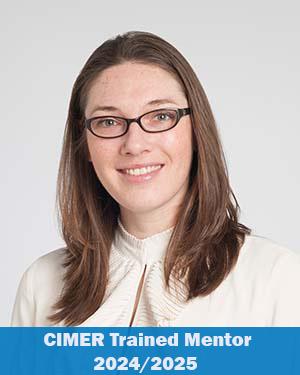
Featured Experts
Yogen Saunthararajah Headshot
Yogen
Saunthararajah, MD
Sarah Schumacher Bass Headshot
Sarah
Schumacher Bass, PhD
News Category
Related News
The geometry of heart failure: advancing how we use electrocardiograms to predict diseaseHow to save a failing heart: internal investment shapes new drug development approachEven temporary oxygen shortage remodels the heart, increasing stroke risk, new study shows

Want To Support Ground-Breaking Research at Cleveland Clinic?

Discover how you can help Cleveland Clinic save lives and continue to lead the transformation of healthcare.

Give to Cleveland Clinic

About Cleveland Clinic Research

About Us Careers Contact Us Donate People Directory

Science

Clinical & Translational Research Core Services Departments, Centers & Programs Laboratories Research News

Education & Training

Graduate Programs Global Research Education Molecular Medicine PhD Program Postdoctoral Program RISE Program Undergraduate & High School Programs

Site Information & Policies

Privacy Policy Search Site Site Map Social Media Policy

9500 Euclid Avenue, Cleveland, Ohio 44195 | © 2026 Cleveland Clinic Research