Cleveland Clinic Research Logo
  • About
  • Science
    • Laboratories
    • Office of Research Development
    • Clinical & Translational Research
      Participating in Research
    • Departments
      Biomedical Engineering Cancer Biology Cardiovascular & Metabolic Sciences Computational Life Sciences Florida Research & Innovation Center Genomic Medicine Immunotherapy & Precision Immuno-Oncology
      Infection Biology Inflammation & Immunity Neurosciences Ophthalmic Research Quantitative Health Sciences Translational Hematology & Oncology Research
    • Centers & Programs
      Advanced Musculoskeletal Imaging Angiogenesis Center Cardiovascular Diagnostics & Prevention Consortium for Pain Genitourinary Malignancies Research Genome Center Microbiome & Human Health
      Musculoskeletal Research Northern Ohio Alcohol Center Pathogen & Human Health Research Populations Health Research Quantitative Metabolic Research Therapeutics Discovery
  • Core Services
    • Ohio
      3D Printing Bioimage AnalysisBioRobotics & Mechanical Testing Cell Culture Cleveland Clinic BioRepository Computational Oncology Platform Computing Services Discovery Lab Electron Microscopy Electronics Engineering
      Flow CytometryGenomic Medicine Institute Biorepository Genomics Glassware Histology Hybridoma Immunohistochemistry Immunomonitoring Lab Instrument Refurbishing & Repair Laboratory Diagnostic
      Lerner Research Institute BioRepository Light MicroscopyMechanical Prototyping Microbial Culturing & Engineering Microbial Sequencing & Analytics Resources Media Preparation Molecular Biotechnology Nitinol Polymer Proteomics & Metabolomics SomaScan & Biomarker Therapeutics Discovery
    • Florida
      Bioinformatics & Protein Engineering
      Flow Cytometry
      Imaging
  • Education & Training
    • Graduate Programs Molecular Medicine PhD Program Postdoctoral Program
      Global Research Education Research Intensive Summer Experience (RISE) Undergraduate & High School Programs
  • News
  • Careers
    • Faculty Positions Research Associate & Project Staff Postdoctoral Positions Technical & Administrative Engagement
  • Donate
  • Contact
  • About
  • Science
    • Scientific Programs
    • Laboratories
    • Office of Research Development
    • Clinical & Translational Research
      Participating in Research
    • Departments
      Biomedical Engineering Cancer Biology Cardiovascular & Metabolic Sciences Computational Life Sciences Florida Research & Innovation Center Genomic Medicine Immunotherapy & Precision Immuno-Oncology
      Infection Biology Inflammation & Immunity Neurosciences Ophthalmic Research Quantitative Health Sciences Translational Hematology & Oncology Research
    • Centers & Programs
      Advanced Musculoskeletal Imaging Angiogenesis Center Cardiovascular Diagnostics & Prevention Consortium for Pain Genitourinary Malignancies Research Genome Center Microbiome & Human Health
      Musculoskeletal Research Northern Ohio Alcohol Center Pathogen & Human Health Research Populations Health Research Quantitative Metabolic Research Therapeutics Discovery
  • Core Services
    • All Cores
    • Ohio
      3D Printing Bioimage Analysis BioRobotics & Mechanical Testing Cell Culture Cleveland Clinic BioRepository Computational Oncology Platform Computing Services Discovery Lab Electron Microscopy Electronics Engineering
      Flow CytometryGenomic Medicine Institute BiorepositoryGenomics Glassware Histology Hybridoma Immunohistochemistry Immunomonitoring Lab Instrument Refurbishing & Repair Laboratory Diagnostic
      Lerner Research Institute BioRepository Light MicroscopyMechanical Prototyping Microbial Culturing & Engineering Microbial Sequencing & Analytics Resources Media Preparation Molecular Biotechnology Nitinol Polymer Proteomics SomaScan & Biomarker Therapeutics Discovery
    • Florida
      Bioinformatics & Protein Engineering
      Flow Cytometry
      Imaging
  • Education & Training
    • Research Education & Training Center
    • Graduate Programs Molecular Medicine PhD Program Postdoctoral Program
      Global Research Education Research Intensive Summer Experience (RISE) Undergraduate & High School Programs
  • News
  • Careers
    • Faculty Positions Research Associate & Project Staff Postdoctoral Positions Technical & AdministrativeEngagement
  • Donate
  • Contact
  • Search

Research News

❮News New AI method from Cleveland Clinic speeds and refines genetic analysis for drug development

02/17/2026

New AI method from Cleveland Clinic speeds and refines genetic analysis for drug development

The method, called GenT, aims to improve drug development by focusing on entire genes, not individual mutations.

A gloved hand points to a computer monitor displaying a DNA sequence.

A Cleveland Clinic Research team has developed a new genomic analysis method that uses artificial intelligence to identify disease-associated genes and potential drug targets. The method, called GenT and published in Nature Communications, offers an alternative to decades-old approaches of interpreting DNA sequences, advancing laboratory discoveries, drug development and clinical diagnostics. 

For twenty years, researchers have used a technique called GWAS (genome-wide association studies) to identify DNA mutations, called variants, associated with specific diseases. GWAS works by comparing genetic sequences from multiple people to find DNA regions that are unique to individuals with a certain disease.  

While powerful, GWAS identifies millions of genetic regions that could potentially cause a disease. Many of these regions don’t fall in one specific gene. Instead, they span multiple genes or fall in noncoding sequences in. Determining the gene a variant affects and its relevance to disease takes a long time, which slows progress towards new therapies. 

GenT takes a different approach. Instead of testing millions of variants individually, it groups variants around different genes into sets. GenT also integrates multi-omics data like RNA sequences, protein activity and ancestry analysis. The shift provides a clearer picture of which genes influence which disease, and which genes could be targeted by drugs. 

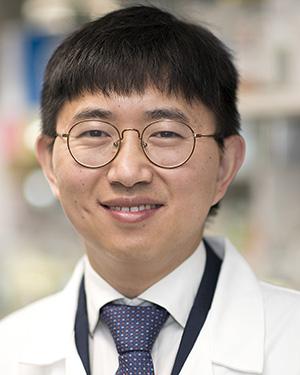
“I don’t use the word ‘innovation’ lightly, but this method can really change how people analyze genetic data,” says Dr. Feixiong Cheng, the director of the Cleveland Clinic Genome Center and the Dr. Keyhan and Dr. Jafar Mobasseri Endowed Chair for Innovative Research. “GWAS gave us the map, and now GenT helps us find the landmarks—the genes that matter for disease pathogenesis, progression and drug development.” 

Dr. Cheng and his laboratory have already used their new approach to identify dozens of druggable genes linked to Alzheimer’s disease, amyotrophic lateral sclerosis (ALS), depression, schizophrenia and type 2 diabetes. 

In one experiment, researchers blocked a gene identified through GenT called ntrk1 in cell cultures derived from brain cells of patients with Alzheimer’s disease. Levels of tau phosphorylation, a key marker of Alzheimer’s disease, dropped.  

Dr. Cheng and his team are now using GenT to pinpoint new drug targets for Alzheimer’s disease by analyzing datasets from the Alzheimer’s Disease Sequencing Project. He says that pairing advanced AI tools like GenT with emerging human model systems, including brain organoids, could improve Alzheimer’s treatments in the near future. 

The Cheng Laboratory has published the GenT software and results online, inviting other genetic researchers to explore their new method for drug discovery. 

This work was supported by the National Institute on Aging (U01AG073323). 

Featured Experts
Feixiong Cheng Headshot
Feixiong
Cheng, PhD
News Category
Big data
Related News
How a decade of patient-reported outcome measures is shaping the future of orthopaedic surgery Studying the past of orthopaedic patient-reported outcome measures to improve the future of careAward-winning personalized care for joint replacement research based on decade of data

Research areas

Genomic MedicineGenome Center

Want To Support Ground-Breaking Research at Cleveland Clinic?

Discover how you can help Cleveland Clinic save lives and continue to lead the transformation of healthcare.

Give to Cleveland Clinic

About Cleveland Clinic Research

About Us Careers Contact Us Donate People Directory

Science

Clinical & Translational Research Core Services Departments, Centers & Programs Laboratories Research News

Education & Training

Graduate Programs Global Research Education Molecular Medicine PhD Program Postdoctoral Program RISE Program Undergraduate & High School Programs

Site Information & Policies

Privacy Policy Search Site Site Map Social Media Policy

9500 Euclid Avenue, Cleveland, Ohio 44195 | © 2026 Cleveland Clinic Research