Cleveland Clinic Research Logo
  • About
  • Science
    • Laboratories
    • Office of Research Development
    • Clinical & Translational Research
      Participating in Research
    • Departments
      Biomedical Engineering Cancer Biology Cardiovascular & Metabolic Sciences Florida Research & Innovation Center Genomic Medicine Immunotherapy & Precision Immuno-Oncology
      Infection Biology Inflammation & Immunity Neurosciences Ophthalmic Research Quantitative Health Sciences Translational Hematology & Oncology Research
    • Centers & Programs
      Advanced Musculoskeletal Imaging Angiogenesis Center Cardiovascular Diagnostics & Prevention Computational Life Sciences Consortium for Pain Genitourinary Malignancies Research Genome Center
      Microbiome & Human Health Musculoskeletal Research Northern Ohio Alcohol Center Pathogen & Human Health Research Populations Health Research Quantitative Metabolic Research Therapeutics Discovery
  • Core Services
    • Ohio
      3D Printing Bioimage AnalysisBioRobotics & Mechanical Testing Cell Culture Cleveland Clinic BioRepository Computational Oncology Platform Computing Services Discovery Lab Electron Microscopy Electronics Engineering
      Flow CytometryGenomic Medicine Institute Biorepository Genomics Glassware Histology Hybridoma Immunohistochemistry Immunomonitoring Lab Instrument Refurbishing & Repair Laboratory Diagnostic
      Lerner Research Institute BioRepository Light MicroscopyMechanical Prototyping Microbial Culturing & Engineering Microbial Sequencing & Analytics Resources Media Preparation Molecular Biotechnology Nitinol Polymer Proteomics & Metabolomics SomaScan & Biomarker Therapeutics Discovery
    • Florida
      Bioinformatics & Protein Engineering
      Flow Cytometry
      Imaging
  • Education & Training
    • Graduate Programs Molecular Medicine PhD Program Postdoctoral Program
      Global Research Education Research Intensive Summer Experience (RISE) Undergraduate & High School Programs
  • News
  • Careers
    • Faculty Positions Research Associate & Project Staff Postdoctoral Positions Technical & Administrative Engagement
  • Donate
  • Contact
  • About
  • Science
    • Scientific Programs
    • Laboratories
    • Office of Research Development
    • Clinical & Translational Research
      Participating in Research
    • Departments
      Biomedical Engineering Cancer Biology Cardiovascular & Metabolic Sciences Florida Research & Innovation Center Genomic Medicine Immunotherapy & Precision Immuno-Oncology
      Infection Biology Inflammation & Immunity Neurosciences Ophthalmic Research Quantitative Health Sciences Translational Hematology & Oncology Research
    • Centers & Programs
      Advanced Musculoskeletal Imaging Angiogenesis Center Cardiovascular Diagnostics & Prevention Computational Life Sciences Consortium for Pain Genitourinary Malignancies Research Genome Center
      Microbiome & Human Health Musculoskeletal Research Northern Ohio Alcohol Center Pathogen & Human Health Research Populations Health Research Quantitative Metabolic Research Therapeutics Discovery
  • Core Services
    • All Cores
    • Ohio
      3D Printing Bioimage Analysis BioRobotics & Mechanical Testing Cell Culture Cleveland Clinic BioRepository Computational Oncology Platform Computing Services Discovery Lab Electron Microscopy Electronics Engineering
      Flow CytometryGenomic Medicine Institute BiorepositoryGenomics Glassware Histology Hybridoma Immunohistochemistry Immunomonitoring Lab Instrument Refurbishing & Repair Laboratory Diagnostic
      Lerner Research Institute BioRepository Light MicroscopyMechanical Prototyping Microbial Culturing & Engineering Microbial Sequencing & Analytics Resources Media Preparation Molecular Biotechnology Nitinol Polymer Proteomics SomaScan & Biomarker Therapeutics Discovery
    • Florida
      Bioinformatics & Protein Engineering
      Flow Cytometry
      Imaging
  • Education & Training
    • Research Education & Training Center
    • Graduate Programs Molecular Medicine PhD Program Postdoctoral Program
      Global Research Education Research Intensive Summer Experience (RISE) Undergraduate & High School Programs
  • News
  • Careers
    • Faculty Positions Research Associate & Project Staff Postdoctoral Positions Technical & AdministrativeEngagement
  • Donate
  • Contact
  • Search

Research News

❮News Tumor microbiome promotes resistance to immunotherapy in head and neck cancers

01/02/2026

Tumor microbiome promotes resistance to immunotherapy in head and neck cancers

Elevated bacteria levels in head and neck squamous cell cancer drive immunotherapy resistance.

a 3D rendering of an oral tumor with bacteria in it

Bacteria living inside cancerous tumors may be the key to understanding why immunotherapy works in some patients but not others, according to two new studies from Cleveland Clinic Research.

The papers, featured as side-by-side publications in Nature Cancer, show that the number of bacteria in tumor microbiome is enough to suppress the local immune system and drive resistance to immunotherapy for head and neck squamous cell carcinoma (HNSCC).

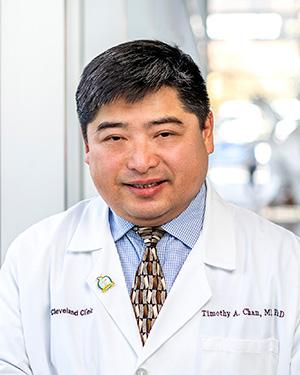
“These studies, unlike others in the field, shift the focus of immunotherapy resistance research beyond tumor genetics to other unexpected factors,” says Timothy Chan, MD, PhD, Chair of Cancer Sciences and lead author of one of the Nature Cancer papers. “By identifying the tumor microbiome as a key barrier to treatment, we are opening the door to new strategies for patient selection and targeted antibiotic therapies, potentially improving outcomes for patients who currently don’t benefit from immune-based treatments.” 

This work is the result of a collaboration between three Cleveland Clinic labs led by Dr. Chan, Daniel McGrail, PhD, and Natalie Silver, MD.

The tumor microbiome drives immunotherapy resistance 

Dr. Silver had been studying the role of bacteria in head and neck cancer for several years in patient samples and in preclinical models. She partnered with Dr. McGrail and Renata Ferrarotto, MD from the The University of Texas MD Anderson Cancer Center on this study.

“Immunotherapy is expensive, time consuming and has fairly intense side effects, but we do not yet know whether it will even work in a patient until after treatment,” Dr. Silver says. “That’s why I do this research: to find ways to make sure patients don’t go through all of that without a real benefit. What I see every day in the clinic is what inspires me to keep my research as close to patients’ real needs as possible.”  

Dr. McGrail analyzed genetic information from patient tumor samples to study how bacteria inside tumors affect the local immune cells and influence response to treatment. 

Historically, most research focused on which specific bacteria were present, but instead, Dr. McGrail found that it is the overall number of bacteria that weakens the immune response to cancer. Dr. Silver confirmed these findings in preclinical models. Treating tumors with antibiotics shrank them and improved immune responses, while adding bacteria made the cancers resistant to immunotherapy. 

A Phase III clinical trial highlighted the role of the tumor microbiome 

Dr. Chan ran the effort to examine the results of Javelin HN100, an international Phase III clinical trial that tested whether adding anti-PD-L1 immunotherapy to standard chemoradiotherapy could improve outcomes for patients with HNSCC. The team included co-first authors Nadeem Riaz, MD, from Memorial Sloan Kettering Cancer Center; Tyler Alban, PhD, from Dr. Chan's own lab in Cleveland Clinic; and Robert Haddad, MD, from Dana-Farber Cancer Institute.  

Across all locations, the results were the same: some patients responded wonderfully to the combination, but others did not. The full details can be found in the study here. 

"Most large-scale Phase III studies only ask if a cancer therapy works or not, but Dr. Chan designed the translational efforts to collect high-quality data that comprehensively explores features of tumors that are associated with therapy response,” Dr. McGrail explains. “Due to the rigor of the trial’s design, when we analyzed the trial data, we were able to definitively say that patients with high levels of bacteria inside their tumors had worse outcomes with immunotherapy, but not with standard treatment.”  

Targeting the tumor microbiome to target immunotherapy resistance 

Dr. Silver is now leading a clinical trial funded by the American Cancer Society and VeloSano to test whether antibiotics can reduce the size of the tumor microbiome in HNSCC patients and possibly improve their response to immunotherapy.  

Meanwhile, the Chan Lab is investigating whether tumor-resident microbes might be actively damaging DNA or contributing to cancer development. 

The McGrail lab is trying to understand why some HNSCCs harbor more bacteria than others, studying both the genetic features of the tumor cells and the bacteria within the tumor. The team hopes their findings will lead to new strategies for patient selection, targeted antibiotic therapies, and better outcomes for patients with head and neck cancer. 

“This is the kind of project that can thrive at Cleveland Clinic,” Dr. McGrail says. “There’s not a lot of other places where a multidisciplinary team such as ours, with members having very different areas of expertise, are going to be in the same room tackling and solving a very complex problem like this.” 
Featured Experts
Timothy Chan Headshot
Timothy
Chan, MD, PhD
Daniel McGrail Headshot
Daniel
McGrail, PhD
Natalie Silver Headshot
Natalie
Silver, MD, MS, FACS
News Category
Related News
Podcast: Vaccine Research for Head and Neck CancersVIDEO: New Center for Immunotherapy and Precision Immuno-Oncology to Help Advance Head and Neck Cancer Research

Research areas

Immunotherapy & Precision Immuno-Oncology

Want To Support Ground-Breaking Research at Cleveland Clinic?

Discover how you can help Cleveland Clinic save lives and continue to lead the transformation of healthcare.

Give to Cleveland Clinic

About Cleveland Clinic Research

About Us Careers Contact Us Donate People Directory

Science

Clinical & Translational Research Core Services Departments, Centers & Programs Laboratories Research News

Education & Training

Graduate Programs Global Research Education Molecular Medicine PhD Program Postdoctoral Program RISE Program Undergraduate & High School Programs

Site Information & Policies

Privacy Policy Search Site Site Map Social Media Policy

9500 Euclid Avenue, Cleveland, Ohio 44195 | © 2026 Cleveland Clinic Research